
Applications of PP Joint and PT Joint in Retaining Wall Construction
In the construction of jetties, ports, and coastal infrastructure, maintaining soil stability is one of the key aspects that must be considered. Soil conditions, lateral pressure, and the influence of marine environments can present challenges in construction planning.
To address these conditions, one structure that can be used is a retaining wall. In certain projects, retaining walls are constructed using a series of steel pipe piles installed side by side to form a soil-retaining system.
However, how can these steel pipes be connected and function as part of an integrated structural system?
This is where PP Joint and PT Joint play an important role. These two types of interlock joints are used to connect steel pipe piles, maintain structural continuity, and help transfer shear forces between pipes in a retaining wall system.
Understanding Retaining Walls and the Use of Steel Pipe Piles
A retaining wall is a structure designed to resist lateral earth pressure and maintain soil stability in specific areas. These structures are commonly used in locations with differences in ground elevation, excavation areas, and sites requiring specialized soil-retaining systems.
In infrastructure projects such as jetties and ports, retaining walls can form part of the construction that separates land areas from water while helping maintain the stability of the surrounding soil.
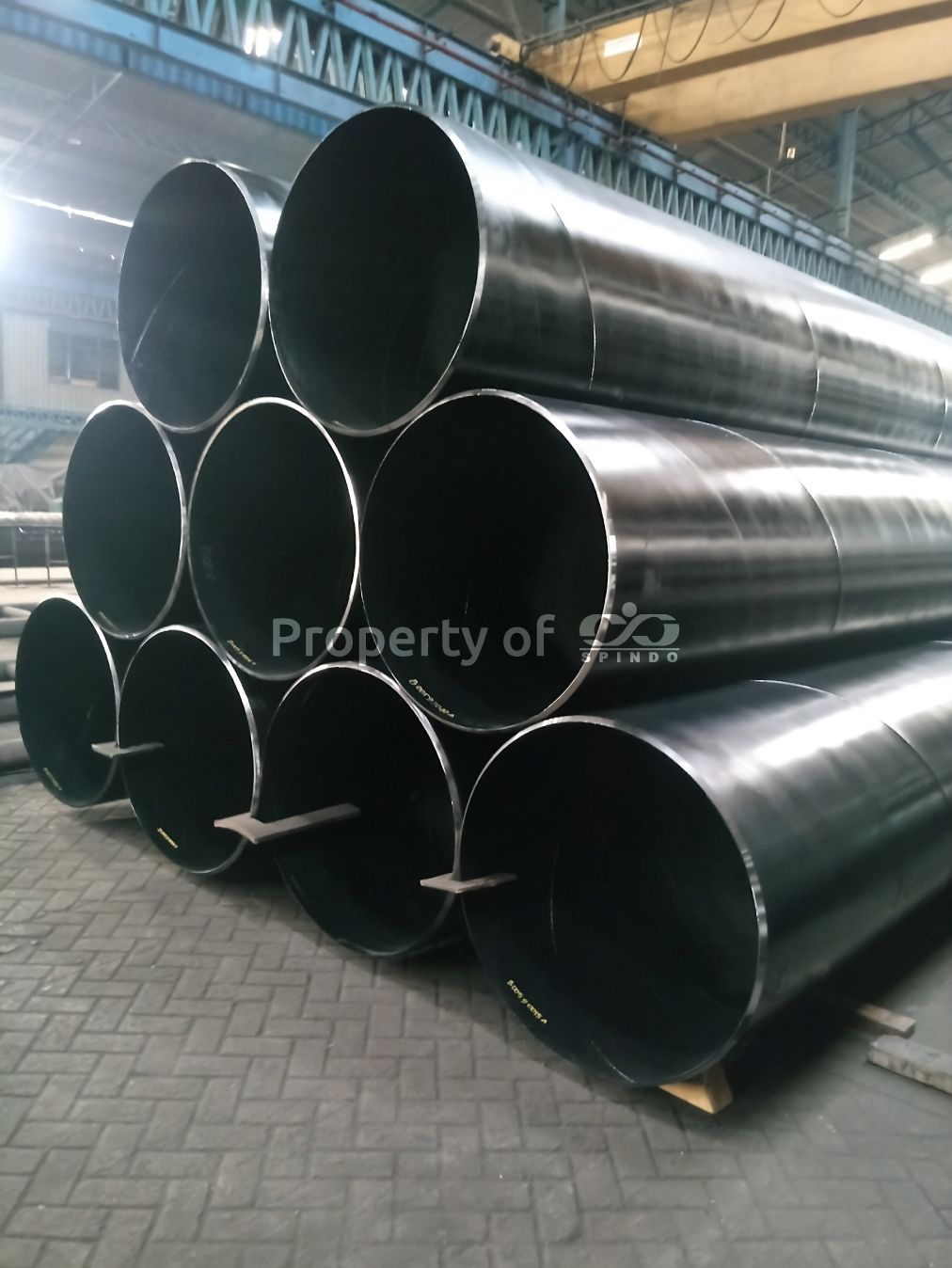
One material that can be used to form this system is steel pipe piles (steel pipe piles). In certain applications, multiple pipes are installed side by side along the planned retaining wall alignment.
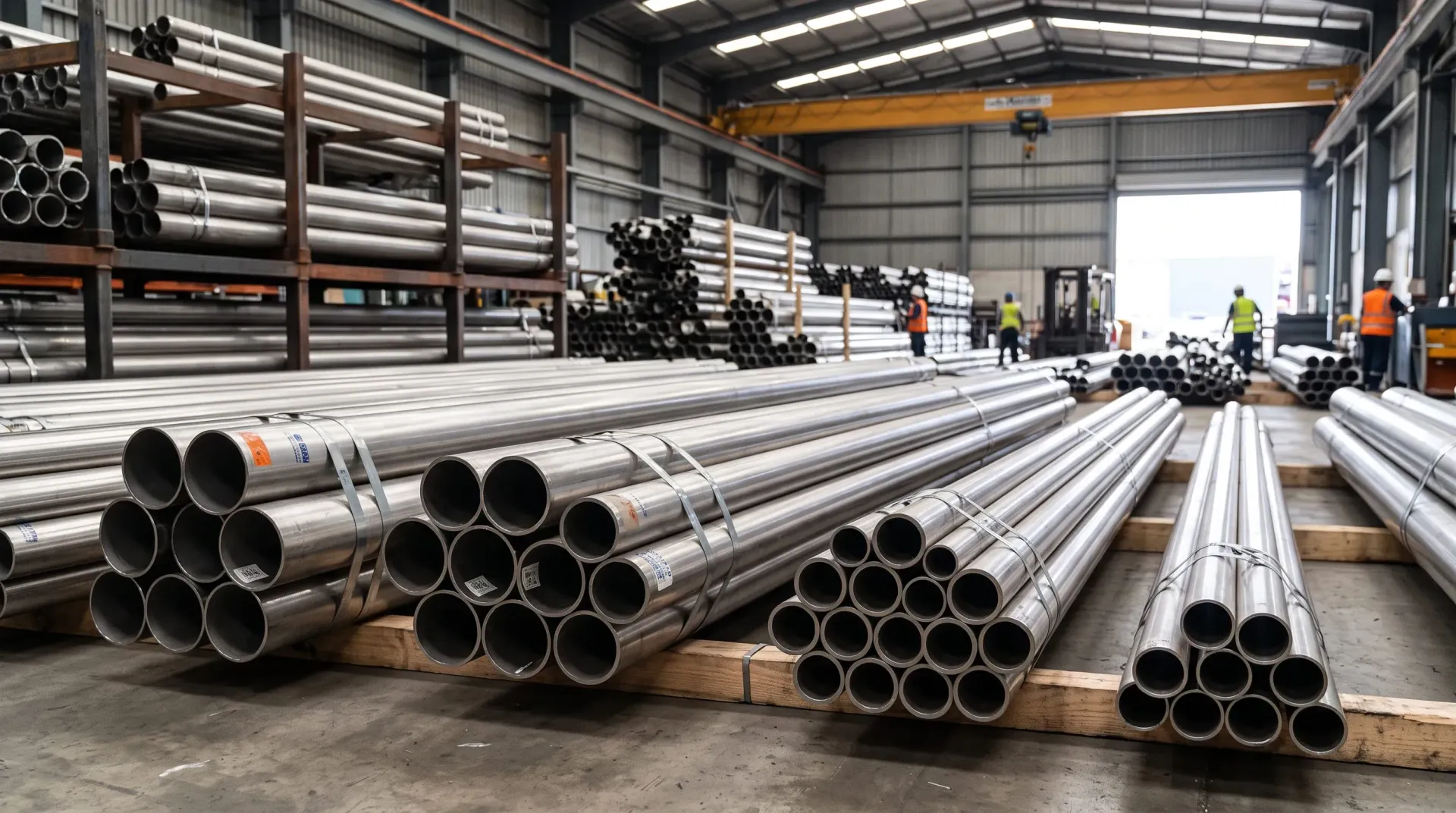
Spiral steel pipes, also known as Spiral Submerged Arc Welded (SSAW) Pipes, are one of the material options for this application. Their manufacturing process allows the production of relatively large-diameter pipes that can be manufactured according to project specifications.
In a retaining wall configuration, steel pipe piles not only serve as structural elements but must also form an interconnected system. Therefore, a connection system that aligns with the construction design is required.
How Does the Interlock System Work in Retaining Wall Construction?
In retaining wall construction using steel pipe piles, the interlock system serves as a connection between adjacent pipes.
The connection profiles are positioned along the sides of the pipes according to the planned configuration. As the pipes are installed sequentially, the interlock profiles allow adjacent pipes to connect, forming a continuous soil-retaining wall system.
In addition to maintaining connections between pipes, the interlock system can also be designed to help transfer shear forces from one pipe element to another.
In general, the application of an interlock system in retaining wall construction involves the following stages:
- Pipe configuration planning. The position, dimensions, depth, and arrangement of steel pipe piles are determined based on structural requirements and soil conditions.
- Interlock system preparation. Connection profiles are installed along the sides of the pipes according to the project's configuration and technical specifications.
- Steel pipe pile installation. The pipes are installed sequentially along the retaining wall alignment, with careful attention to the positioning and compatibility of the connections.
- Structural system formation. Pipes connected through the interlock system form a soil-retaining wall structure in accordance with the construction design.
Through this system, multiple steel pipe piles can form an interconnected structural arrangement.
Nevertheless, the stability of a retaining wall is not determined solely by its connection system. Geotechnical conditions, pipe dimensions and material grades, pile installation depth, and construction methods remain important factors that must be considered.
The Role of PP Joint and PT Joint in Retaining Wall Construction
PP Joint and PT Joint are two types of interlock systems that can be used to connect steel pipe piles in retaining wall construction. Both serve similar fundamental functions but feature different connection shapes or profiles.
PP Joint has a generally rounded interlock profile, while PT Joint uses a connection profile with a T-shaped element.
In retaining wall applications, both types of joint can support the following requirements.
- Connecting Steel Pipe Piles
In retaining wall construction, multiple steel pipe piles are installed side by side according to the structural configuration. PP Joint and PT Joint serve as connections between the pipes, allowing them to form a continuous soil-retaining wall system.
These connections play an important role in forming a structural system that meets the construction design requirements.
- Supporting Shear Force Transfer Between Pipes
When a retaining wall is subjected to loads, the forces acting on the structure must be considered, including those affecting its connection system.
The use of an appropriate interlock system can help transfer shear forces between pipes, allowing individual elements to function as part of an interconnected structural arrangement.
The ability to transfer forces depends on the design, profile characteristics, and capacity of the connection system used.
- Supporting Structural Continuity
In a retaining wall consisting of multiple steel pipe piles, connection continuity is an important aspect of maintaining the structural configuration along the retaining wall alignment.
PP Joint and PT Joint help maintain connections between pipes while considering installation tolerances and technical construction requirements.
Therefore, the selection of PP Joint or PT Joint should not be based on the assumption that one type is always superior, but rather on its suitability for the structural design, pipe configuration, and installation method.
Applications of Interlock Systems in Jetty and Port Retaining Walls
Jetty and port areas are examples of construction environments that require careful planning of soil-retaining structures.
In these areas, soil conditions, water level fluctuations, and operational activities surrounding the construction site are factors that must be considered from the planning stage.
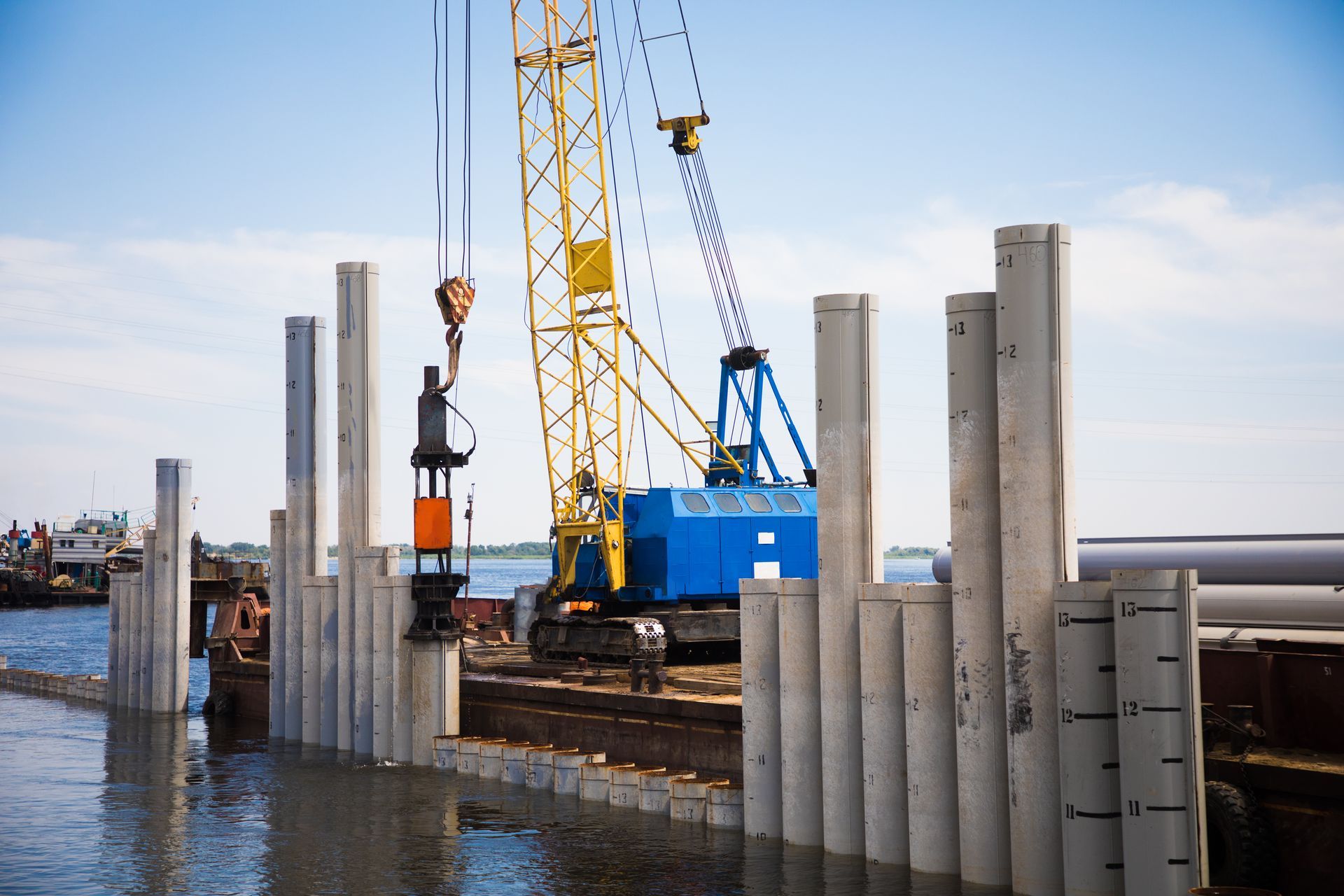
In retaining wall systems using steel pipe piles, PP Joint or PT Joint can be used to connect adjacent pipes.
The application of interlock systems in these environments requires consideration of several important aspects.
- Earth pressure and geotechnical conditions. Soil characteristics and lateral pressure form the basis for determining the configuration and structural requirements of the retaining wall.
- Marine environmental influences. Changes in water levels, water pressure, and environmental conditions must be considered in the construction design.
- Corrosion protection. In coastal areas, exposure to marine environments is an important consideration when selecting materials and surface protection systems, such as coating.
- Installation accuracy. The positioning of pipes and interlock profiles must be carefully considered during installation to ensure that the retaining wall system is formed according to the planned configuration.
Therefore, retaining wall planning must consider the compatibility of pipe materials, connection systems, site conditions, and construction methods.
Key Factors in Selecting PP Joint or PT Joint for Retaining Walls
Every retaining wall project has different requirements, including soil conditions, structural configurations, and installation methods.
Therefore, the selection of PP Joint or PT Joint should be incorporated into the technical planning process from the beginning. Several aspects that need to be considered include:
- Retaining wall configuration, including the arrangement and positioning of pipes within the soil-retaining wall system.
- Pipe dimensions and specifications, such as diameter, wall thickness, length, and material grade.
- Soil conditions, which influence structural design and pile installation requirements.
- Types and magnitudes of loads, including the requirements for force transfer between pipe elements.
- Installation methods, which relate to connection positioning and installation tolerances.
- Environmental conditions, including corrosion protection requirements in coastal areas.
- Engineering requirements, which serve as the basis for determining the appropriate connection profile and configuration.
By considering these aspects, the selection of an interlock system can be carried out more effectively according to the characteristics and requirements of the construction project.
SPINDO Spiral Steel Pipes for Retaining Wall Applications
As a national steel pipe manufacturer, PT STEEL PIPE INDUSTRY OF INDONESIA Tbk (SPINDO) produces spiral steel pipes, or SSAW Pipes, for various construction and infrastructure applications, including steel pipe pile systems.
In certain retaining wall projects, SPINDO spiral steel pipes can be equipped with PP Joint or PT Joint as an interlock system connecting multiple pipes into an integrated structural arrangement.
The use of these connection systems allows steel pipe piles to be arranged according to the planned retaining wall configuration while considering the project's loading requirements and technical specifications.
In addition to the interlock system, the selection of spiral steel pipes must also consider pipe diameter, wall thickness, material grade, installation methods, and surface protection based on environmental conditions.
By providing spiral steel pipes and connection system options tailored to construction requirements, SPINDO supports various infrastructure projects, including the development of jetties, ports, and soil-retaining structures.
Choosing the Right Connection System for Retaining Walls
Retaining wall construction requires comprehensive planning, from soil conditions and structural design to material selection and installation methods.
In retaining wall systems using steel pipe piles, PP Joint and PT Joint serve as interlock connections that link adjacent pipes, maintain structural continuity, and help transfer shear forces according to the design.
Although they feature different connection profiles, both can be used according to the project's technical requirements. Therefore, joint selection should consider the structural configuration, site conditions, and established engineering specifications.
Frequently Asked Questions About PP Joint and PT Joint in Retaining Walls
Why do retaining walls require an interlock system?
In retaining walls constructed using a series of steel pipe piles, an interlock system helps connect adjacent pipes to form a continuous soil-retaining wall system according to the design.
How are PP Joint and PT Joint used in retaining walls?
PP Joint and PT Joint are used as connection profiles along the sides of steel pipe piles. Both help maintain connections between pipes and support shear force transfer according to structural requirements.
What is the difference between PP Joint and PT Joint in retaining wall applications?
The main difference lies in their connection profiles. PP Joint has a generally rounded profile, while PT Joint features a T-shaped element. Both serve similar fundamental functions as interlock systems.
Do all retaining walls use PP Joint or PT Joint?
The use of these two types of joint depends on the retaining wall type, structural configuration, installation method, and specified technical requirements.
Can spiral steel pipes be used for retaining wall construction?
Spiral steel pipes, or SSAW pipes, can be used as steel pipe piles in certain retaining wall systems, depending on the project's design requirements and technical specifications.
Press Release Sanksi Administratif yang diberikan OJK kepada PT Steel Pipe Industry of Indonesia Tbk