PP Joint and PT Joint on Spiral Steel Pipes: Functions and Applications in Construction
In construction and infrastructure projects, steel pipes are not always used as standalone elements. In certain applications, multiple pipes need to be connected to form an integrated structural system.
One connection system that can be used on spiral steel pipes is an interlock joint, such as PP Joint and PT Joint.
PP Joint and PT Joint serve the same basic function: helping connect pipes installed side by side, maintaining structural continuity, and helping transfer shear forces between pipes. The main difference between the two lies in the shape or profile of the connection.
In construction projects, the selection of a joint type should be based on structural configuration, pipe dimensions, installation method, site conditions, and project engineering requirements.
What Are PP Joint and PT Joint?
PP Joint and PT Joint are two types of interlock joints used to connect pipes within a structural system.
The interlock profile is generally installed along the side of the pipe so that adjacent pipes can be connected to one another. In practice, PP Joint and PT Joint can help:
- connect adjacent pipes;
- maintain continuity between structural elements;
- help transfer shear forces between pipes;
- maintain the pipe configuration according to the design; and
- support the formation of an interconnected structural system.
Both serve the same basic function. The main difference lies in the shape or profile of the joint.
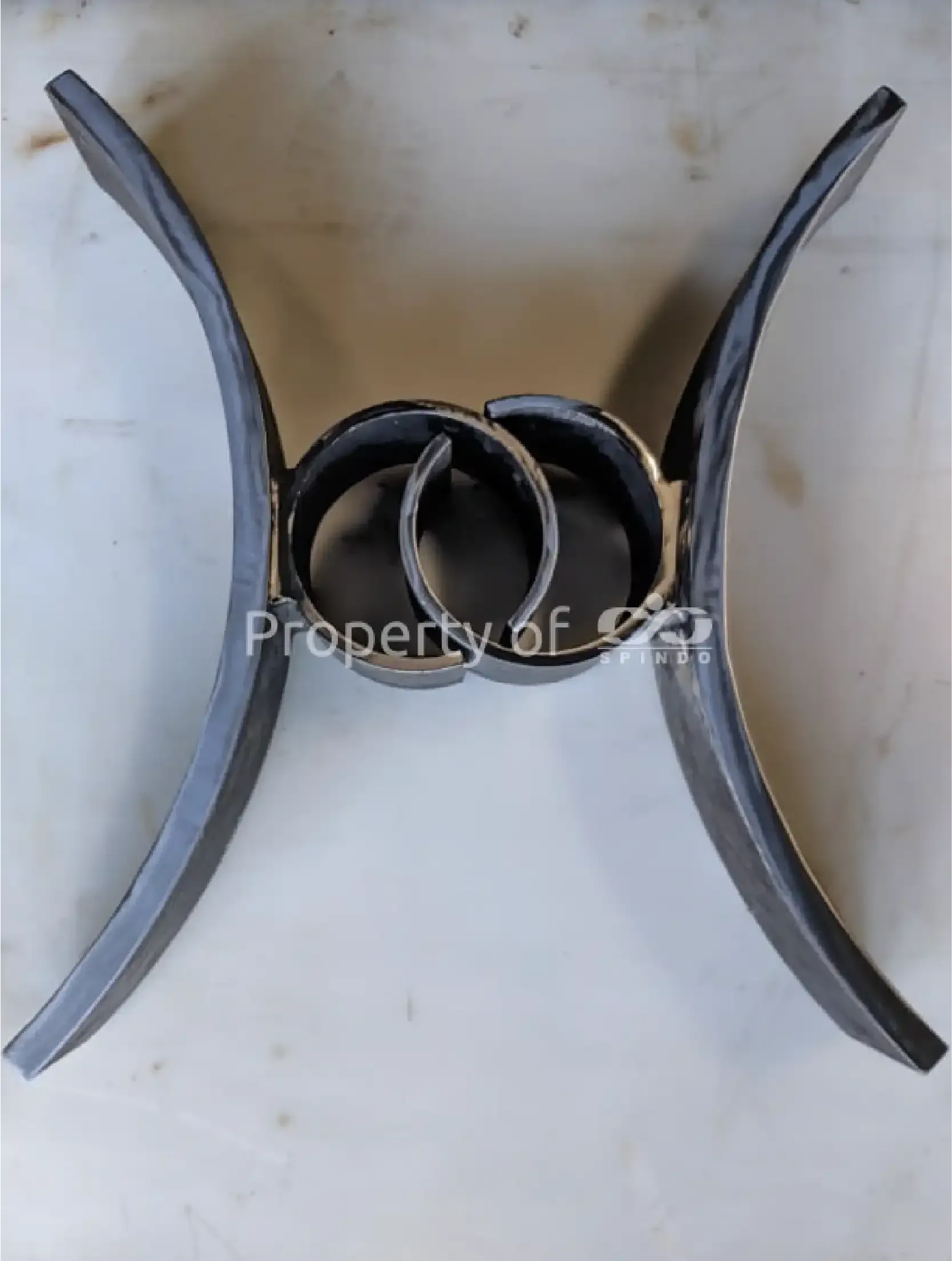
What Is a PP Joint?
PP Joint is one type of interlock joint used to form a connection between adjacent pipes.
The PP Joint profile has a rounded interlock configuration and is installed along the side of the pipe so that it can connect with the adjacent pipe. In construction projects, PP Joint can help:
- connect pipes installed side by side;
- maintain the connection between pipe elements;
- help transfer shear forces;
- support structural continuity; and
- help form the required pipe configuration.
Its rounded profile is the key characteristic that distinguishes PP Joint from other interlock types.
What Is a PT Joint?
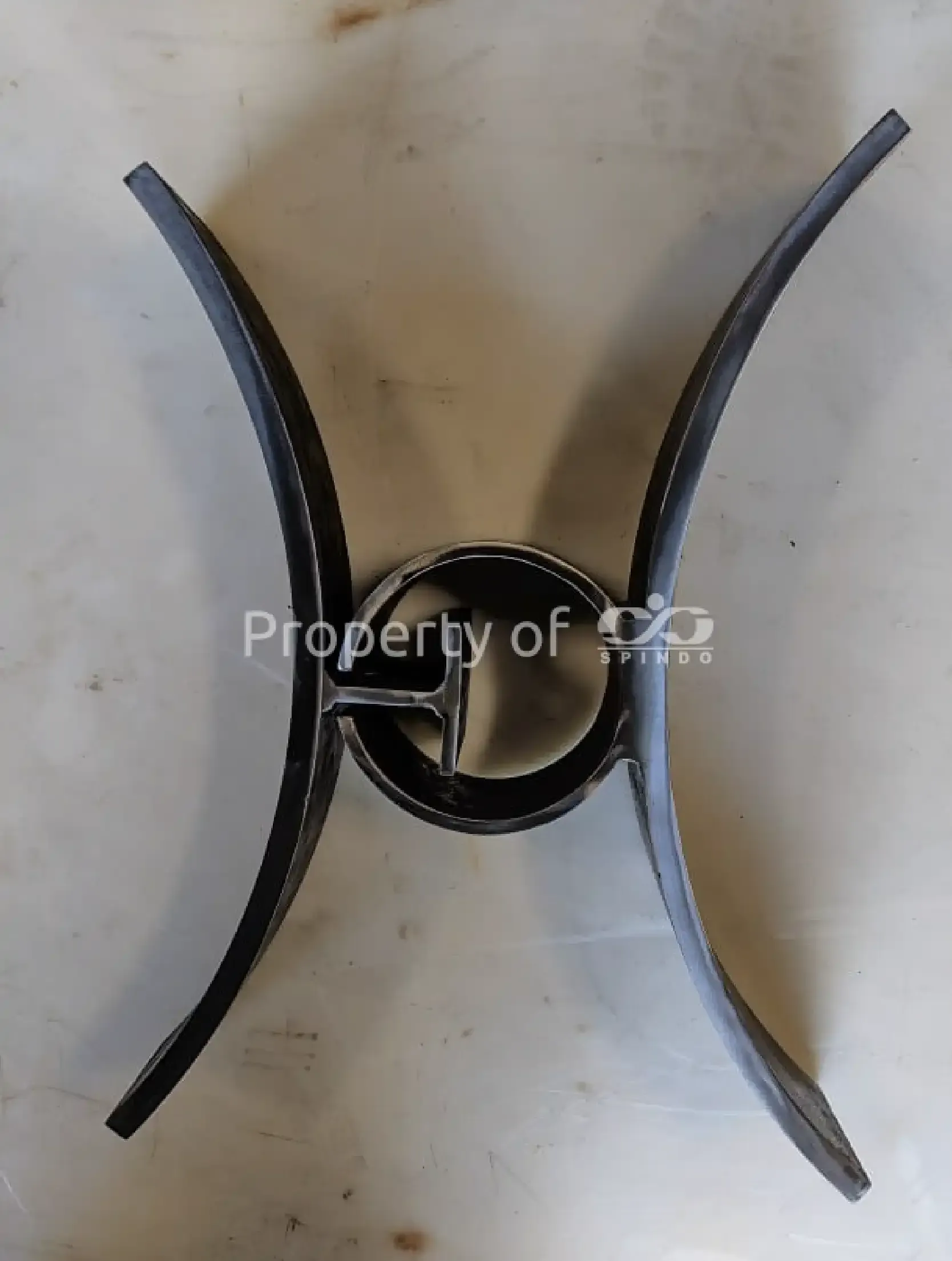
PT Joint is also a type of interlock joint used to connect pipes within a structural arrangement.
Functionally, PT Joint serves the same basic purpose as PP Joint. The main difference lies in the joint profile, which includes a T-shaped element. In construction applications, PT Joint can help:
- maintain the connection between pipes;
- help transfer shear forces;
- maintain structural continuity;
- support the required pipe installation configuration; and
- adapt the connection system to project design requirements.
For this reason, the selection of PT Joint should be considered together with the technical requirements and planned structural configuration.
What Is the Difference Between PP Joint and PT Joint?
PP Joint and PT Joint are not distinguished by different basic structural functions.
Both are interlock systems that serve the same fundamental purpose: connecting pipes and helping transfer shear forces between structural elements.
The main difference between PP Joint and PT Joint lies in the shape or profile of the connection.
In simple terms, PP Joint has a rounded interlock profile and PT Joint uses an interlock profile with a T-shaped element.
The selection of either joint should take several technical factors into account, including:
- structural configuration;
- pipe dimensions;
- interlock position;
- installation method;
- site conditions;
- installation tolerances; and
- project engineering specifications.
This means that neither joint type can generally be considered better than the other without considering the project design and site conditions.
What Are the Functions of PP Joint and PT Joint in Construction?
- Connecting Adjacent Pipes
The primary function of PP Joint and PT Joint is to create a connection between pipes installed next to each other. With an interlock system, multiple pipes can form part of a continuous and interconnected structural arrangement.
- Helping Transfer Shear Forces
PP Joint and PT Joint help transfer shear forces from one pipe to another. This function helps pipe elements work as part of an interconnected structural system according to the design.
- Maintaining Structural Continuity
Connections between pipes help maintain continuity from one structural element to the next. This continuity is important in projects where pipes need to be installed sequentially within a specific structural configuration.
- Supporting Structural Configuration
In certain projects, pipes need to be arranged in a specific pattern or configuration. PP Joint and PT Joint help maintain the connection between pipes so that the system can be formed according to the structural design.
- Supporting the Installation Process
A connection system considered from the design stage can help make the pipe installation process more structured. However, installation is still influenced by the construction method, site conditions, installation tolerances, and overall project planning.
Applications of PP Joint and PT Joint in Construction Projects
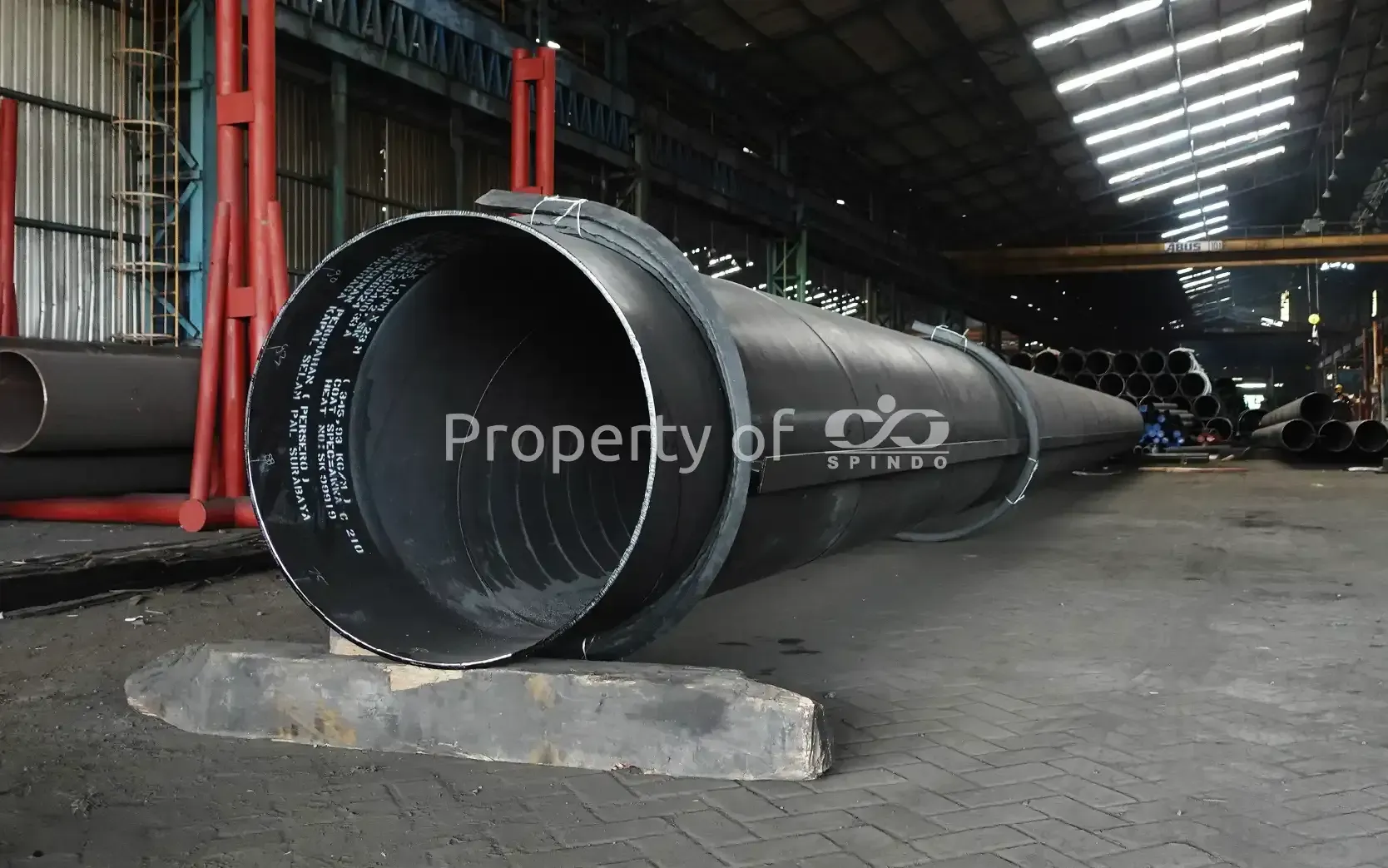
PP Joint and PT Joint can be used in various projects where steel pipes form part of a structural system. Some applications include:
- steel pipe piles;
- construction foundations;
- jetties;
- ports;
- waterfront structures;
- coastal structures;
- retaining walls; and
- other heavy construction projects.
Retaining walls are one application, but they are not the only context in which PP Joint and PT Joint can be used.
For each project, the use of the joint should be aligned with the structural design, site conditions, and specified technical requirements.
How Do PP Joint and PT Joint Work on Spiral Steel Pipes?
In general, the interlock profile is installed along the side of the spiral steel pipe. When several pipes are placed side by side, the interlock profile becomes the connection point between one pipe and the next.
In simple terms, the mechanism can be described as follows:
- spiral steel pipes are produced according to project specifications;
- the PP Joint or PT Joint profile is positioned at the designated location;
- the pipes are installed according to the design configuration;
- the interlock connects one pipe to the adjacent pipe; and
- the connected pipes form an integrated structural system.
Once connected, the interlock system helps maintain structural continuity while also helping transfer shear forces between the pipes.
The actual configuration should still be adapted to the engineering design and construction method used in the project.
What Should Be Considered When Choosing PP Joint or PT Joint?
The selection of a joint type should not be based solely on the shape of its profile. Several factors should be considered, including:
- structural function;
- pipe configuration;
- pipe diameter and wall thickness;
- joint position;
- construction method;
- soil conditions;
- environmental conditions;
- type and magnitude of the forces involved;
- installation tolerances; and
- project engineering specifications.
By considering these factors, PP Joint or PT Joint can be selected as part of the overall construction system.
Why Should the Connection System Be Planned from the Beginning?
In construction projects, pipe specifications and connection systems are closely related. Pipe diameter, wall thickness, pipe length, joint position, installation method, and structural configuration should ideally be considered from the planning stage.
Integrated planning helps ensure that the pipes and interlock system are aligned with the technical requirements of the project. For this reason, the selection of PP Joint or PT Joint should be part of the engineering process rather than a decision made only during installation.
PP Joint and PT Joint on SPINDO Spiral Steel Pipes
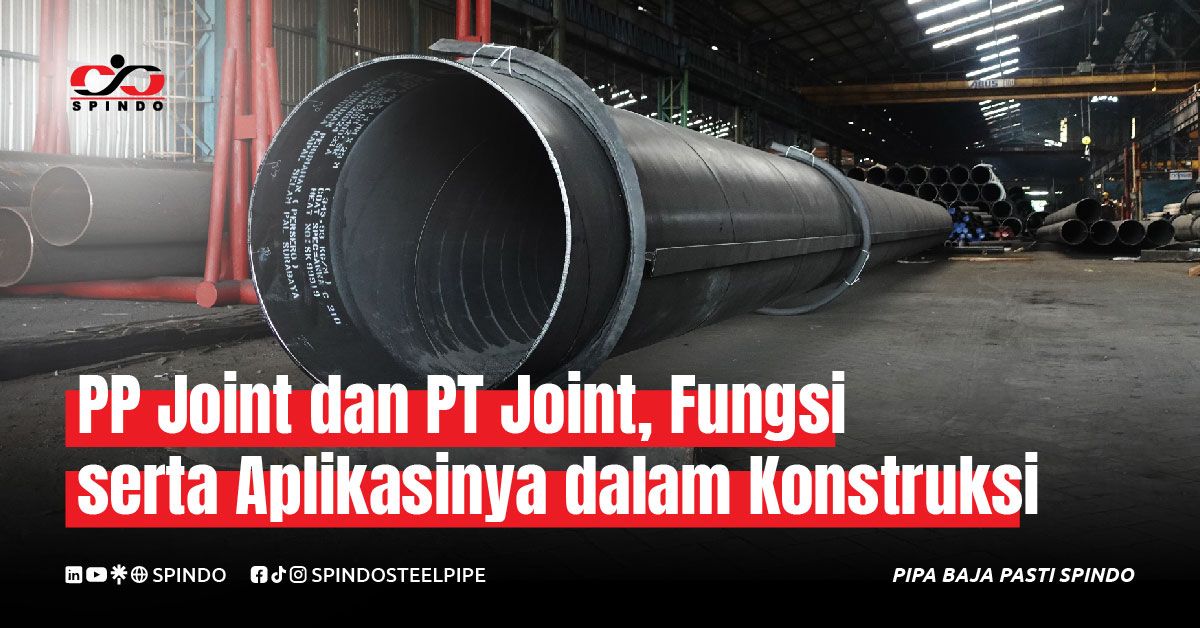
PT STEEL PIPE INDUSTRY OF INDONESIA Tbk (SPINDO) manufactures spiral steel pipes, or SSAW Pipes, for various construction and infrastructure applications. For certain construction applications, SPINDO spiral steel pipes can be equipped with PP Joint or PT Joint as pipe interlock systems.
Both joint types help connect pipes, maintain structural continuity, and help transfer shear forces between structural elements. The difference lies in the shape or profile of the joint used.
Therefore, selecting spiral steel pipes for construction should not only take material and pipe dimensions into account, but also the connection system, installation method, structural configuration, environmental conditions, and overall project engineering requirements.
Conclusion
PP Joint and PT Joint are two types of interlock joints that can be used on spiral steel pipes for various construction applications. Both serve the same basic function: connecting pipes, maintaining structural continuity, and helping transfer shear forces between structural elements.
The main difference lies in the joint profile. PP Joint has a rounded interlock profile, while PT Joint uses an interlock profile with a T-shaped element. In practice, the selected joint type should be aligned with the structural configuration, pipe dimensions, installation method, project conditions, and engineering specifications.
As a national steel pipe manufacturer, SPINDO provides spiral steel pipes that can support various construction needs, including applications requiring interlock systems such as PP Joint and PT Joint.
FAQ About PP Joint and PT Joint
What is a PP Joint?
PP Joint is a type of interlock joint with a rounded profile used to connect pipes within a construction structural system.
What is a PT Joint?
PT Joint is a type of interlock joint with a T-shaped profile element that serves the same basic function as PP Joint.
What is the difference between PP Joint and PT Joint?
The main difference lies in the joint profile. PP Joint uses a rounded interlock profile, while PT Joint uses a profile with a T-shaped element.
What are the functions of PP Joint and PT Joint in construction?
PP Joint and PT Joint help connect pipes, maintain structural continuity, and help transfer shear forces between structural elements.
Where are PP Joint and PT Joint used?
PP Joint and PT Joint can be used in applications such as steel pipe piles, foundations, jetties, ports, waterfront structures, coastal structures, retaining walls, and other heavy construction projects.
Can PP Joint and PT Joint be used on spiral steel pipes?
PP Joint and PT Joint can be used on spiral steel pipes for certain construction applications, depending on project design and technical specifications.
Which is better, PP Joint or PT Joint?
Neither type is generally better than the other. The appropriate choice depends on the structural configuration, installation method, project conditions, and engineering requirements.