
Galvanized Pipes: Definition, Manufacturing Process, and SNI 7033:2020 Standard
What Are Galvanized Pipes?
Galvanized pipes are steel pipes coated with zinc through the galvanizing process to prevent corrosion. This zinc coating acts as a protective layer that keeps the steel surface from direct contact with air or moisture. As a result, galvanized pipes are more resistant to rust and have a longer lifespan than ordinary steel pipes.
Zinc layer serves as both a physical barrier and a chemical shield. It prevents the steel from rusting by blocking oxygen and water, while also providing cathodic protection, meaning the zinc will corrode first and protect the underlying steel.
Because of this dual protection, galvanized pipes are the ideal choice for installations exposed to outdoor environments or high humidity conditions.
Common applications of galvanized pipes include:
- Water supply and sanitation systems,
- Building and infrastructure frameworks,
- Fire protection systems (sprinklers),
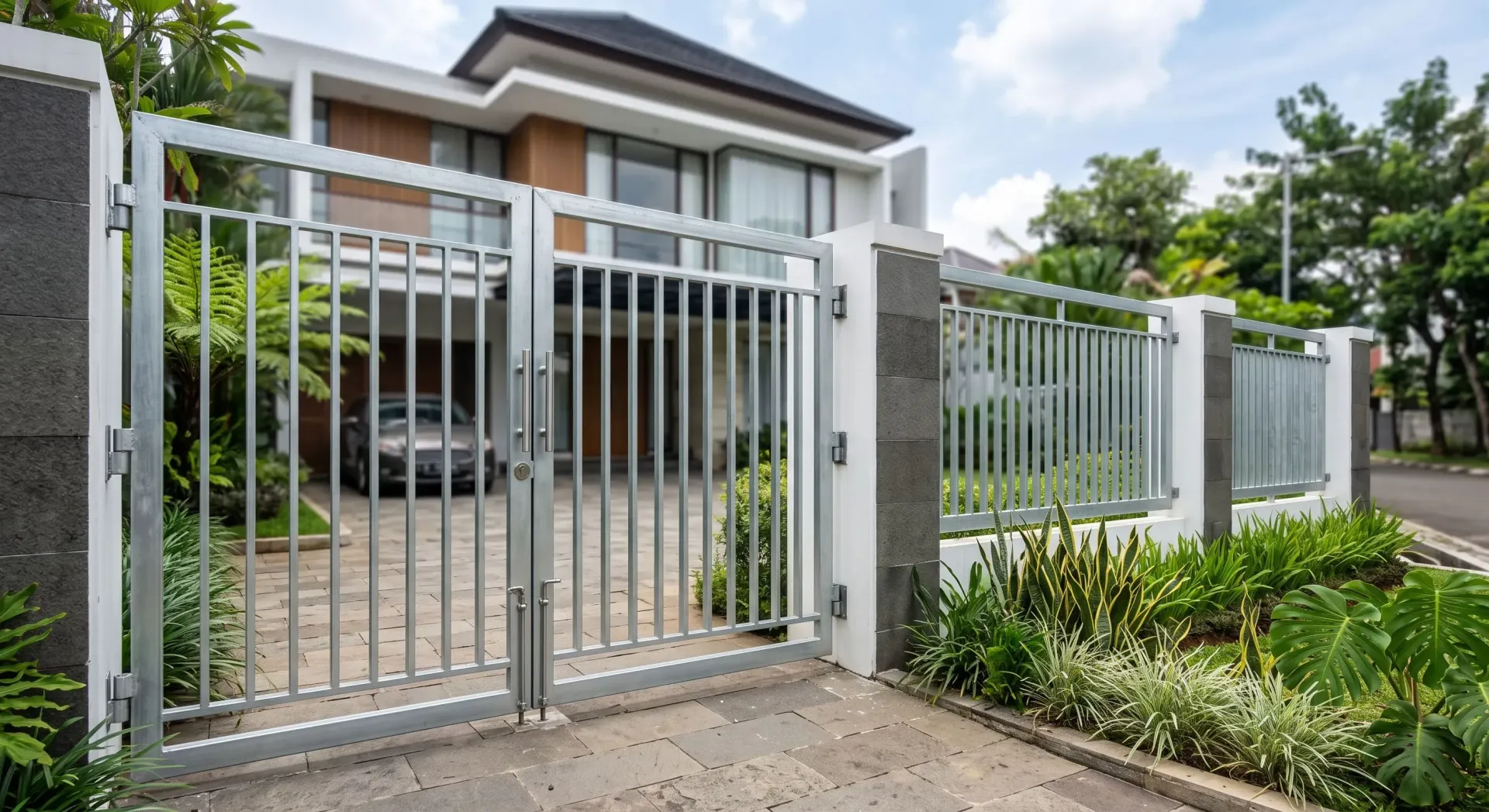
- Fences, railings, and canopies.
How Are Galvanized Pipes Made?
Galvanizing is the process of applying a zinc coating to steel. The zinc layer serves a dual function :
- As a barrier coating, it acts as a physical shield that prevents direct contact between the steel surface and moisture or air, effectively stopping the oxidation process.
- As a cathodic protection, it provides chemical defense – zinc corrodes first before the steel does, ensuring the base metal remains protected even if the coating is scratched or damaged.
Through the combination of these two protective mechanisms, galvanized steel pipes offer superior resistance to rust and corrosion, making them ideal for long-term use in demanding environments.
There are two common methods of galvanizing pipes:
1. Hot-Dip Galvanizing
This method is the most widely used and recognized standard in the galvanizing process. The procedure involves several stages, starting with cleaning the steel pipes, followed by :
- Immersing them in molten zinc at approximately 450°C.
- The result is a thick, uniform zinc coating that bonds strongly to the steel surface, offering exceptional durability and corrosion resistance.
Advantages of hot-dip galvanizing:
- Thicker and stronger coating.
- Long-lasting corrosion resistance (decades).
- Complies with SNI 7033:2020 standard.
2. Electroplating Galvanizing
This method uses a mechanical or electroplating technique to apply a thin layer of zinc onto the steel surface.
Advantages of electroplating galvanizing:
- Lower production cost.
- Faster process, suitable for light applications.
Disadvantages of electroplating galvanizing:
- Thinner coating compared to hot-dip.
- Less resistant in harsh environments.
SNI 7033:2020 Standard for Galvanized Pipes
In Indonesia, galvanizing processes are follows the official standard SNI 7033:2020 – Hot-Dip Galvanized Steel Products.
This standard specifies:
- Hot-dip galvanizing as the primary method.
- Minimum zinc coating thickness based on steel thickness.
- Quality testing: corrosion resistance, coating thickness, and adhesion strength.
Implementing this standard provides a strong quality assurance framework for galvanized pipe products. By adhering to SNI 7033:2020, manufacturers ensure that every pipe produced meets the highest standards of performance and reliability. Pipe manufactured under this standard are :
- Highly resistant to corrosion, even in harsh or humid environments.
- Safe and dependable for use in large-scale infrastructure projects across Indonesia.
- Recognized and approved by construction authorities, contractors, and government agencies as products that comply with the Indonesian National Standard (SNI).
Galvanized pipes that meet SNI 7033:2020 offer exceptional durability and quality, making them the preferred choice for construction, industrial, and utility projects that demand long-term strength and protection.
SPINDO Galvanized Pipes
PT Steel Pipe Industry of Indonesia Tbk (SPINDO) manufactures SPINDO galvanized pipes using the hot-dip galvanizing process, fully compliant with SNI 7033:2020.
There are several reasons why SPINDO galvanized pipes have become the top choice for both national and private projects across Indonesia :
- Thick and even zinc coating → provides maximum protection against rust and harsh weather conditions.
- Certified quality under SNI 7033:2020 → every production stage undergoes strict inspection and testing to ensure consistency and reliability.
- Versatile applications → ideal for clean water installations, construction frameworks, fire protection systems (fire sprinklers), fences, and light steel structures.
- Proven track record → trusted in major government, state-owned, and private sector projects for their proven strength and long-lasting performance.
As a leading steel pipe manufacturer in Indonesia, PT Steel Pipe Industry of Indonesia Tbk (SPINDO) is committed to maintaining the highest production standards and delivering superior-quality products that meet both national and international requirements.

Conclusion
Galvanized pipes are the best solution for long-lasting, corrosion-resistant piping systems.
- Hot-dip galvanizing → standard method with superior durability.
- Electroplating galvanizing → lower cost, but shorter lifespan.
The implementation of SNI 7033:2020 guarantees that every galvanized pipe product in Indonesia meets the national quality standards – covering critical aspects such as zinc coating thickness, structural strength, and corrosion resistance.
By choosing SPINDO galvanized pipes, you are selecting products that are durable proven to perform in various environmental conditions, manufactured in full compliance with SNI 7033:2020, and nationally recognized for use in a wide range of infrastructure and industrial projects.