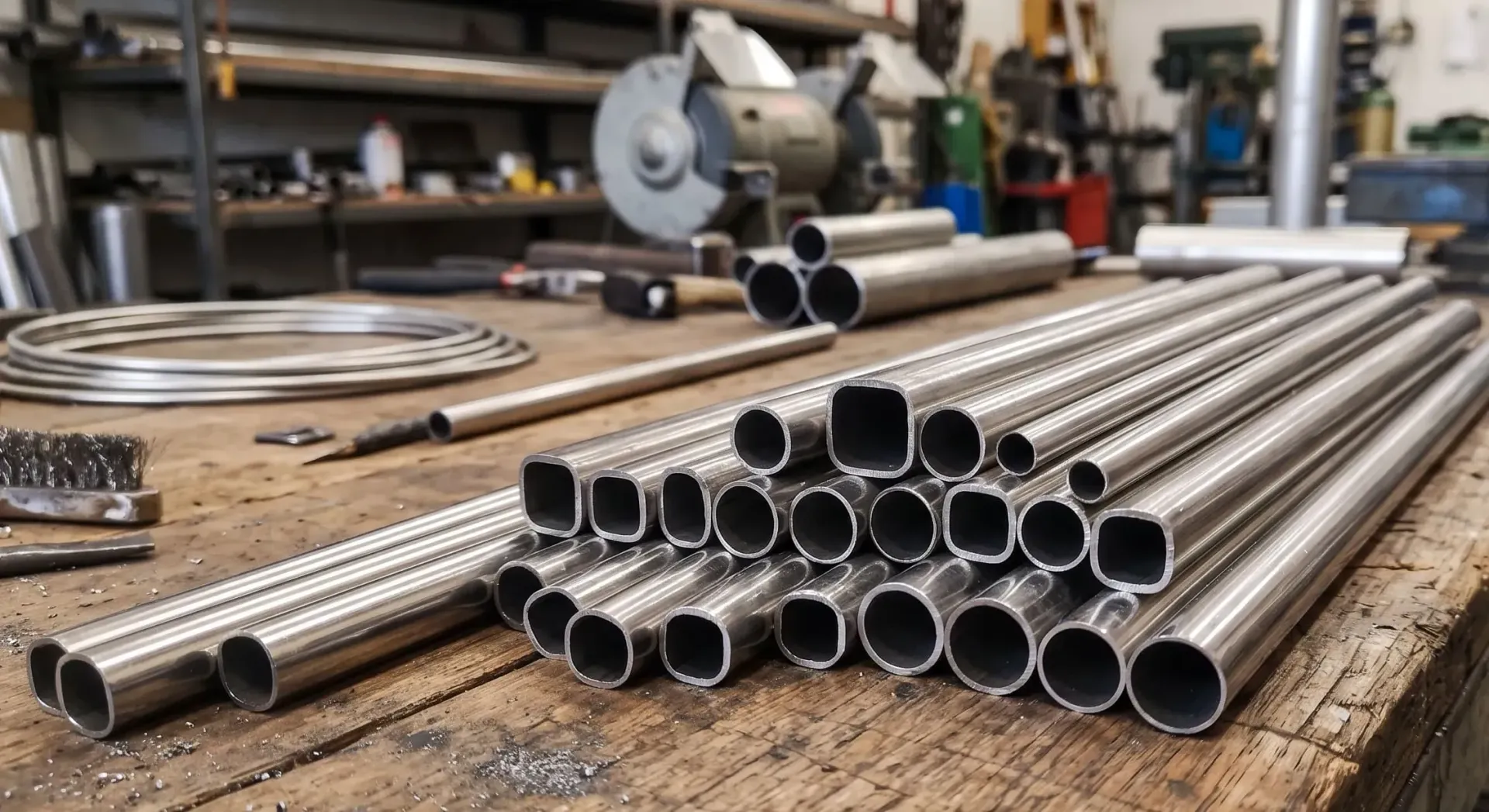

HRC vs CRC: Knowing the Difference between Hot Rolled Coil and Cold Rolled Coil
HRC (Hot Rolled Coil) and
CRC (Cold Rolled Coil) are two types of steel processing processes that are often used to produce steel sheets or pipes. Both processes have unique characteristics that make them suitable for different applications. In this article, we will discuss the main differences between HRC and CRC based on their respective production processes, characteristics, and advantages.
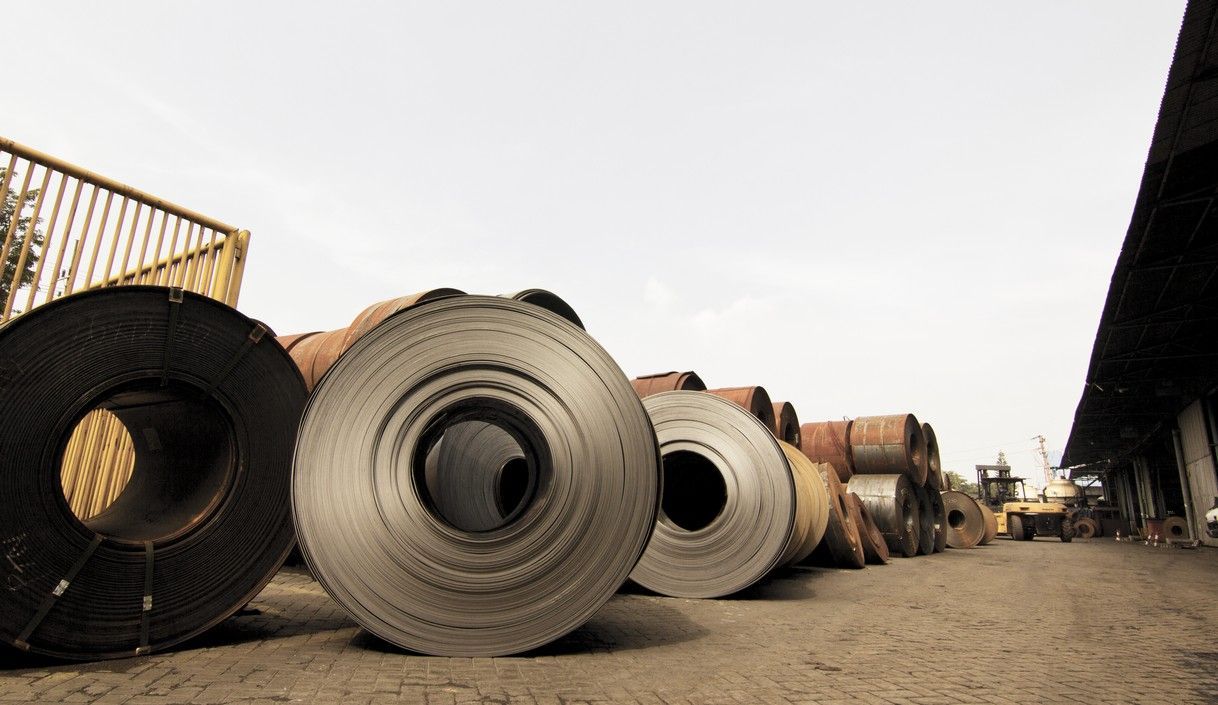
Production Process
HRC (Hot Rolled Coil)
HRC is made through a rolling process at a high temperature of above 927°C. This process produces steel with a rough and oxidized surface. HRC products themselves usually consist of low or medium carbon (C), iron (Fe), manganese (Mn), and a small mixture of other elements, such as silicon and others.
Use of HRC:
- Structural pipes for piling
- Oil and gas pipes for oil and gas industry projects
- Water pipes for water circulation systems in buildings or water treatment plants
CRC (Cold Rolled Coil)
Unlike HRC, CRC is produced through the cold rolling process of HRC. Rolling is done at room temperature to achieve higher thickness and precision. This process produces steel with tight control of impurities and a smoother surface.
Uses of CRC:
- Mechanical tubes for automotive parts
- Appliance tubes for broom handles or stove components
- Stainless steel pipes for kitchen sets, wheelchairs, and stair railings
Characteristics & Advantages
HRC
- Rough and oxidized surface
- Less precise dimensions
- Advantages: more resistant to deformation
CRC
- Smooth and aesthetic surface
- More precise thickness and dimensions
- Suitable for finishing such as painting and coating
- Easy to mold after heating, ideal for applications with tight tolerances
Conclusion
Each type of coil has its own advantages and disadvantages, depending on the application needs. HRC is suitable for structural applications that require deformation-resistant materials, while CRC is more suitable for high-precision and aesthetic requirements.