
How to Measure Galvanized Coating Thickness on GI Hollow
Galvanized coating thickness on GI hollow must be measured to ensure that the zinc coating meets the applicable standard. The galvanized layer helps protect GI hollow from corrosion, especially in humid areas, water pipelines, gas installations, and environments with a higher risk of rust.
For
GI hollow
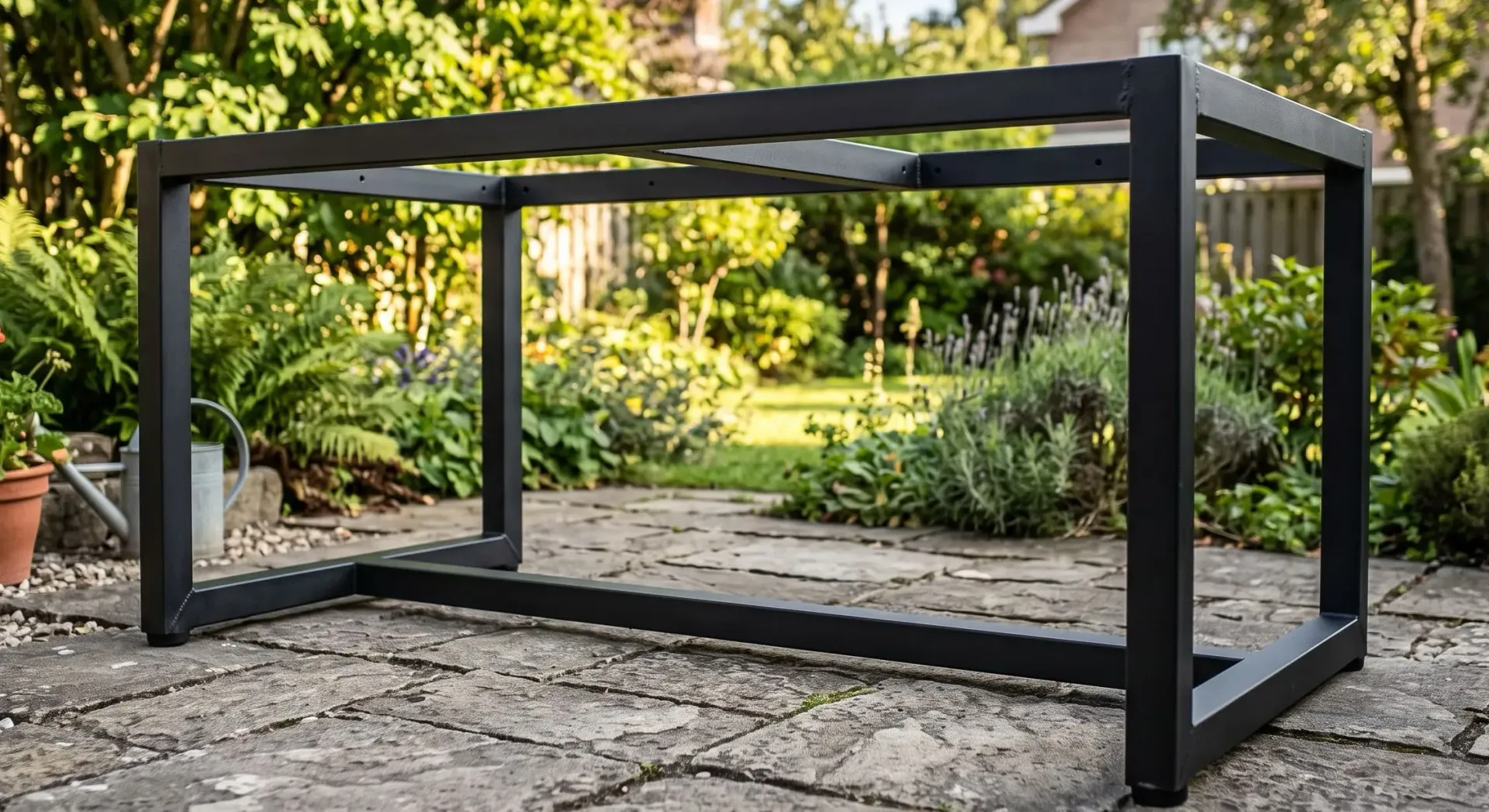
products, quality is not only determined by the size and thickness of the steel material. The galvanized coating is also an important factor, especially when the hollow section is used for canopy frames, fences, ceilings, partitions, greenhouses, railings, and light to medium construction applications.
As one of Indonesia’s national steel pipe manufacturers,
PT STEEL PIPE INDUSTRY OF INDONESIA Tbk (SPINDO) provides hollow GI products with clear specifications, including
minimum Z-12 coating.
This term indicates a zinc coating specification on the steel surface, not the wall thickness of the hollow section.
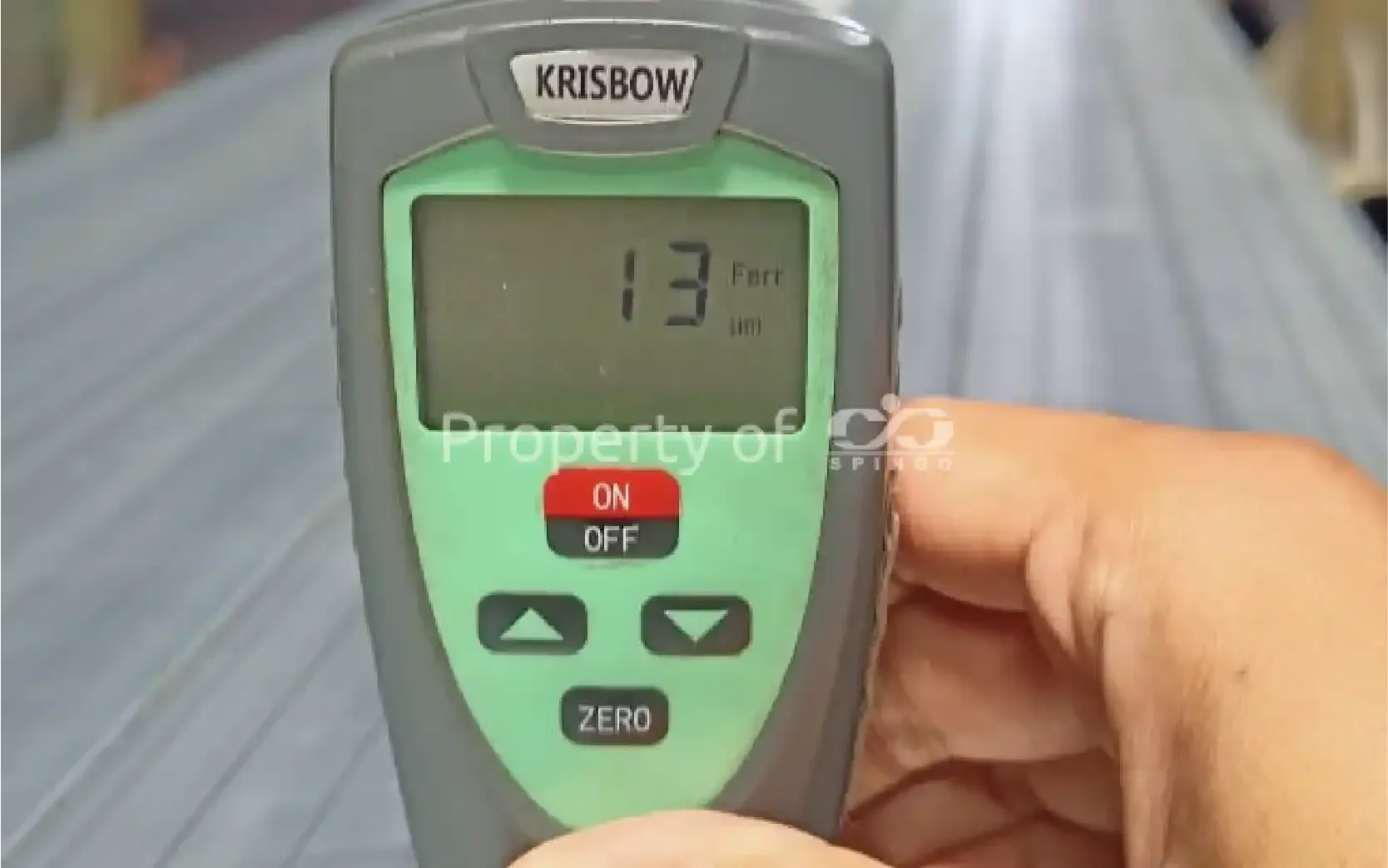
Galvanized coating thickness is measured using a coating thickness.
To obtain results that better represent the overall pipe condition,
measurements can be taken at 9 points, consisting of 3 points at end A, 3 points in the middle section, and 3 points at end B.
What Is Galvanized Coating Thickness?
Galvanized coating thickness is the measurement of the zinc layer attached to the steel surface.
This layer acts as additional protection to make the steel more resistant to rust.
On GI hollow, the zinc layer works as a barrier between the steel surface and the external environment. If the galvanized coating is too thin or uneven, the risk of corrosion may increase, especially in areas frequently exposed to water, humidity, outdoor air, or certain chemical substances.
However,
galvanized coating thickness must not be confused with hollow thickness. Hollow wall thickness refers to the thickness of the steel material, while galvanized coating thickness refers to the thickness of the zinc layer on the hollow surface. They have different functions and are measured using different tools.
Hollow wall thickness relates to mechanical strength. Meanwhile, galvanized coating thickness relates to corrosion protection.
Read also:
GI Hollow for Fences Importance of Pipe Marking to Ensure Quality
Minimum Z-12 Coating in Galvanized Products
In galvanized products, the term
minimum Z-12 coating
refers to the zinc coating specification on the steel surface.
This term is not the same as pipe wall thickness.
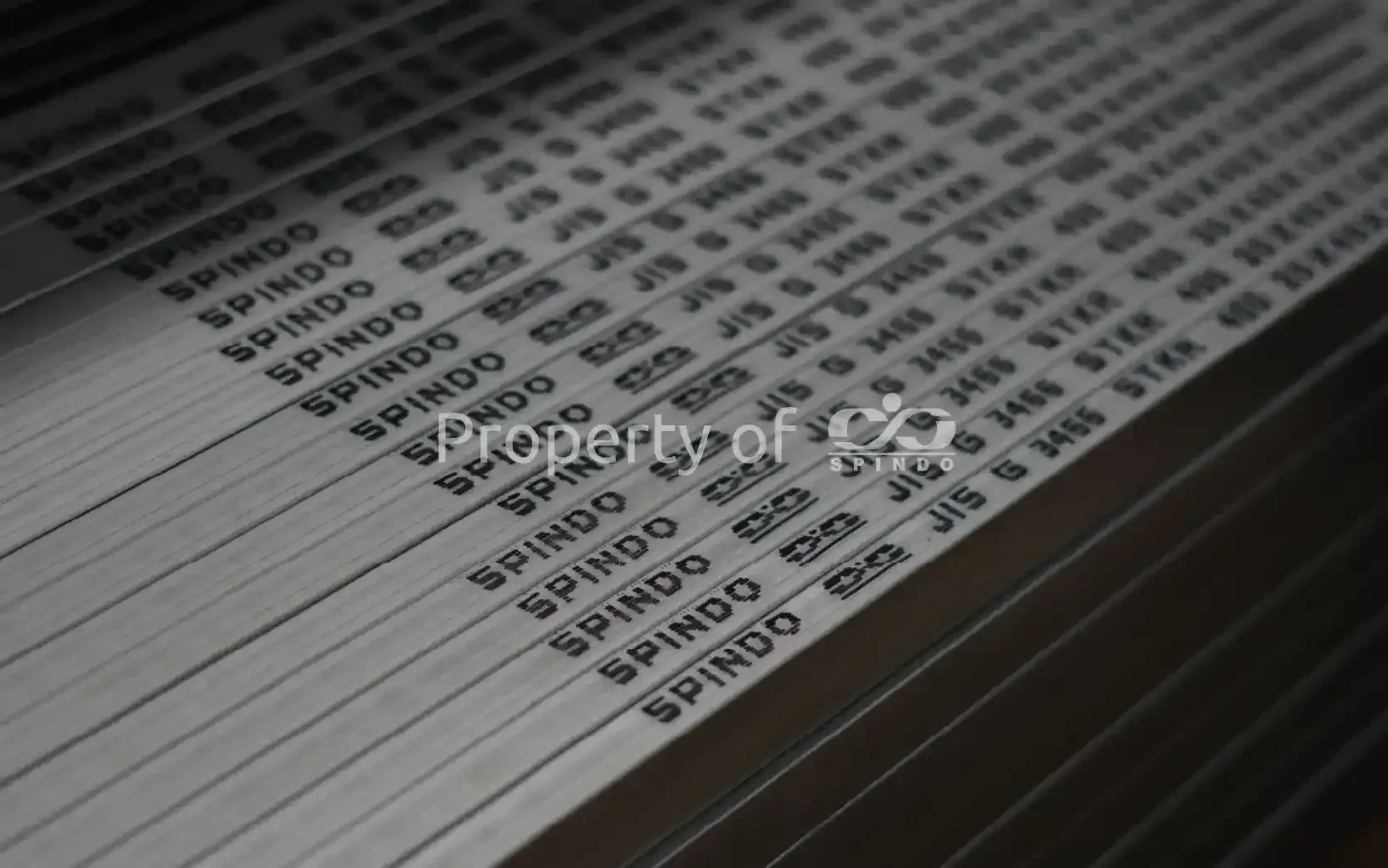
A common marking misunderstanding in the field is assuming that Z-12 refers to the pipe thickness or steel thickness. In fact, Z-12 relates to the galvanized coating, while pipe thickness relates to the base steel material.
In SPINDO GI hollow products, the Z-12 galvanized layer helps protect steel from corrosion
caused by oxygen, humidity, and exposure to environmental chemical substances. The combination of STKR 400 steel material and Z-12 galvanized coating also supports structural strength and corrosion protection.
In the context of
SPINDO GI hollow, minimum Z-12 coating becomes an added value because it indicates a clear coating specification.
However, for official measurement results, the actual value still needs to be verified through measurement and compared with the applicable standard or quality document.
SPINDO as a Steel Pipe Manufacturer with Hollow GI Products
PT STEEL PIPE INDUSTRY OF INDONESIA Tbk (SPINDO) is a national steel pipe manufacturer
that provides various products for construction, infrastructure, manufacturing, water, oil and gas, and structural applications. The advantages of SPINDO pipes are not only found in product variety, but also in dimensional consistency, product marking, and quality control support.
One relevant product for corrosion protection needs is
SPINDO GI hollow. GI Hollow has a zinc layer on the steel surface that helps improve resistance to rust.
This product is suitable for applications that require better protection than GI hollow without protective coating.
With GI hollow product that have
minimum Z-12 coating,
SPINDO can be a choice for customers who need GI hollow with clear specifications, verifiable quality, and suitability for field applications.
Tools for Measuring Galvanized Coating Thickness
The tool used is a coating thickness. For GI hollow, the commonly used type is a magnetic coating thickness.
This tool works by measuring a non-magnetic layer, namely zinc, on top of a magnetic base material, namely steel.
Therefore, it is suitable for GI hollow, galvanized hollow sections, galvanized plates, and other steel materials with zinc coating.
A coating thickness is also often referred to as a coating meter, DFT meter, magnetic thickness gauge, or galvanized coating thickness measuring tool.
The measurement results are usually displayed in microns or µm.
This tool is different from a micrometer. A micrometer is used to measure pipe wall thickness, not the galvanized coating. To measure the zinc layer on the pipe surface, the correct tool is a coating thickness.
How to Measure Galvanized Coating Thickness on GI Hollow
Galvanized coating thickness measurement must be carried out using the correct procedure so that the results are accurate and accountable. The following steps can be used.
- First, clean the pipe surface. Make sure the pipe surface is clean, dry, and free from dirt.
- The coating thickness tool must be calibrated according to the manufacturer’s instructions before being used for measurement.
- Start measuring from end A of the pipe. The measurement points should be selected in areas that represent normal surface conditions. Avoid areas too close to the cut edge, impact marks, deep scratches, or visibility damaged parts.
- After end A has been measured, continue measuring the middle section of the pipe.
- The next step is to measure end B of the pipe.
- After measurement,
record and evaluate the measurement results. Record the measurement point location, the number shown on the tool, the measurement unit, the tool used, and the reference standard applied.
Common Mistakes When Measuring Galvanized Coating Thickness
- The first mistake is using an unsuitable tool.
- The second is not calibrating the tool.
- The third is measuring only one point.
- The fourth is not cleaning the pipe surface before measurement, which can interfere with the tool reading.
- The fifth is
not comparing the measurement result with the standard.
Why Choose SPINDO GI Hollow?
Choosing GI hollow should not be based only on a shiny surface appearance. Users need to ensure that the pipe has clear specifications, can be verified, and complies with the applicable standard.
SPINDO GI hollow are a relevant choice
because they are manufactured by a national steel pipe manufacturer with extensive experience in providing products for industrial, construction, infrastructure, water, oil and gas, and structural needs.
For applications requiring corrosion protection,
SPINDO GI hollow minimum Z-12 coating can provide a more measurable material solution. Minimum Z-12 coating indicates a zinc coating specification specification on the steel surface, giving users a clearer reference for galvanized protection on the product.
With a
combination of strong steel material, galvanized coating, and clear coating specifications, SPINDO hollow GI can be used for various application such as canopy frames, fences, partitions, ceilings, railings, greenhouses, and light to medium construction applications.
Conclusion
Galvanized coating thickness on GI hollow needs to be measured to ensure that the zinc layer
meets corrosion protection.
The tool used is a coating thickness.
Measurement should be carried out at 9 points, consisting of 3 points at end A, 3 points in the middle section, and 3 points at end B.
As a national steel pipe manufacturer,
SPINDO provides hollow GI with minimum Z-12 coating,
which indicates a zinc coating specification on the steel surface.
By choosing SPINDO GI hollow and applying the proper measurement method,
users can ensure that the material used is not only visually suitable, but also meets the technical standards required in the field.