



Steel industry sees severe drop in demand amid pandemic
This is a subtitle for your new post
Steelmakers are facing severe blows to their business with demand during the COVID-19 pandemic having decreased by 90 percent from normal times.
The low demand is partially due to the large-scale social restrictions (PSBB) imposed by the government to contain the virus, which has led to the closure of businesses, including major steel-consuming businesses in the automotive and construction industries.
Steelmaker PT Steel Pipe Industry of Indonesia (Spindo), for example, saw demand for steel pipe products drop 30 percent in April and almost 50 percent in May.
“[The drop] is very pronounced at the retail front. There’s a decrease in people’s purchasing power and businesses are holding off purchasing plans,” the company’s vice president director, Tedja Sukmana Hudianto, said at a steel industry roundtable event on Wednesday.
Fellow steelmaker PT Sampurna Jaya Baja reported a grimmer condition, as its sales nosedived 90 percent in May, a steeper plunge compared to losses of 50 to 60 percent in March and April.
“The company’s cash flow is disrupted because the majority of our clients are closed for business. This renders things difficult because if this carries on, it could threaten the continuity of the company,” PT Sampurna Jaya Baja representative Raharjo Rudy Cahyono said.
State-owned company PT Krakatau Steel president director Silmy Karim, who is also the chairman of the Indonesian Iron and Steel Industry Association (IISIA), confirmed that the pandemic had crippled the nationwide demand for steel products by 50 percent.
However, he was optimistic that conditions would improve in time.
A Moody’s Investors Service report published on April 7 states that the coronavirus outbreak “exacerbates the already challenging operating environment for steelmakers around the world”.
The broad macroeconomic weakness spreading in the wake of the pandemic is driving down demand for steel in core industries like manufacturing, automotive, construction, and oil and gas exploration, the report reads.
The steel industry is one of the country’s strategic upstream industries, as it provides raw materials for infrastructure, manufacturing, transportation and defense, among other sectors.
South East Asia Iron and Steel Institute (SEAISI) data show that steel consumption in Indonesia rose 11 percent to 15.1 million tons in 2018. However, the demand is largely served by imports from China and other countries.
This year, imports of iron and steel, accounting for 6.26 percent of Indonesia’s total non-oil and gas imports, dropped 23 percent year-on-year from January to March at US$2.12 billion, according to Statistics Indonesia (BPS).
With the current downturn, local steelmakers expressed worries over the inconsistent implementation of Indonesia’s trade barrier policy, fearing that foreign products would continue dominating the local scene.
China, for example, has continued to produce steel despite slow demand, swelling inventories and falling prices.
In response to these concerns, Dini Hanggandari, the Industry Ministry’s metal industry director, said during the roundtable discussion that, “in order to control imports, we have used every official tool within the World Trade Organization’s corridors”.
Indonesia had made it mandatory for imported steel products, such as zinc-coated steel, to comply with the national industrial standards (SNI), a policy permitted by the WTO.
Dini said the ministry had also been pushing for trade remedies to be implemented for upstream and downstream steel products.
State-Owned Enterprises Deputy Minister Budi Gunadi Sadikin urged local players in the steel industry to up their efficiency and productivity to better compete with global players.
“On one hand the COVID-19 pandemic is causing dangers, but on the other hand, there are opportunities,” he said.
He urged steelmakers to tap into unexplored opportunities, such as supplying the demand to produce hypodermic needles for the healthcare sector.
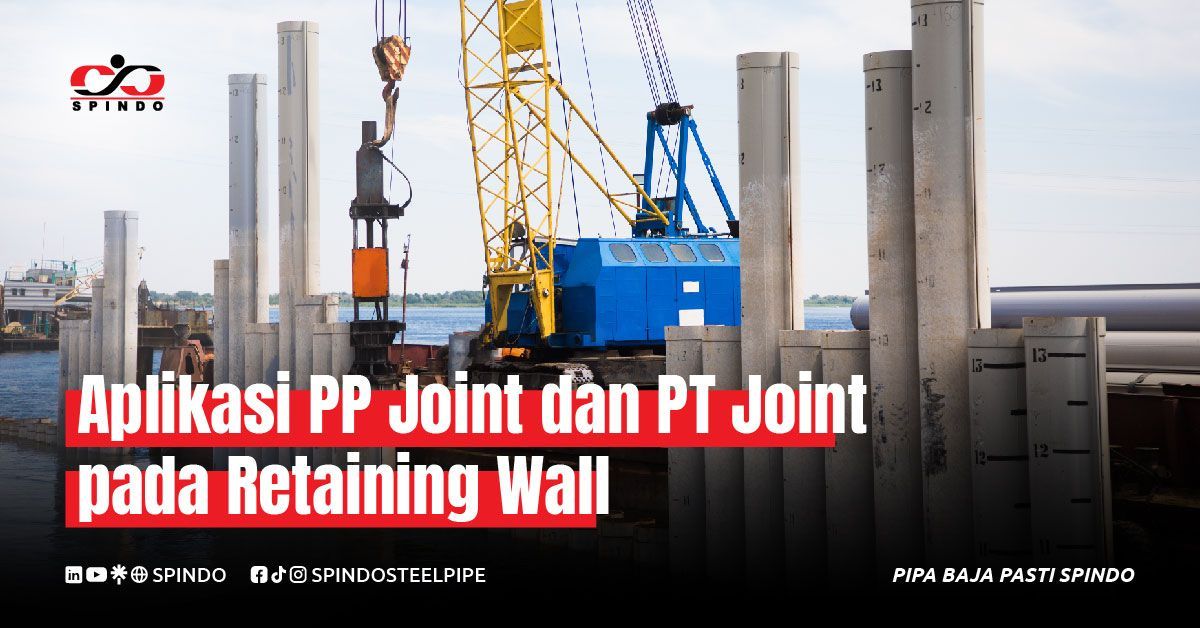
Pelajari aplikasi PP Joint dan PT Joint pada retaining wall, cara kerja sistem interlock, serta perannya dalam konstruksi pipa pancang baja untuk proyek SPINDO.
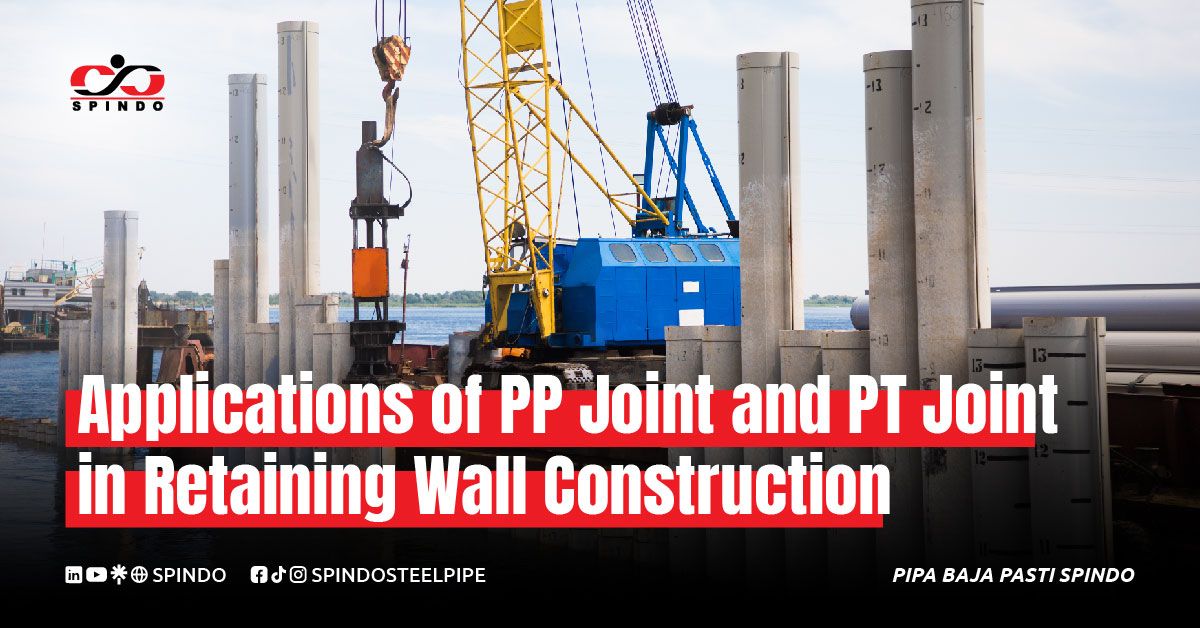
Explore how PP Joint and PT Joint connect steel pipe piles in retaining wall construction, supporting structural continuity and shear force transfer with SPINDO.
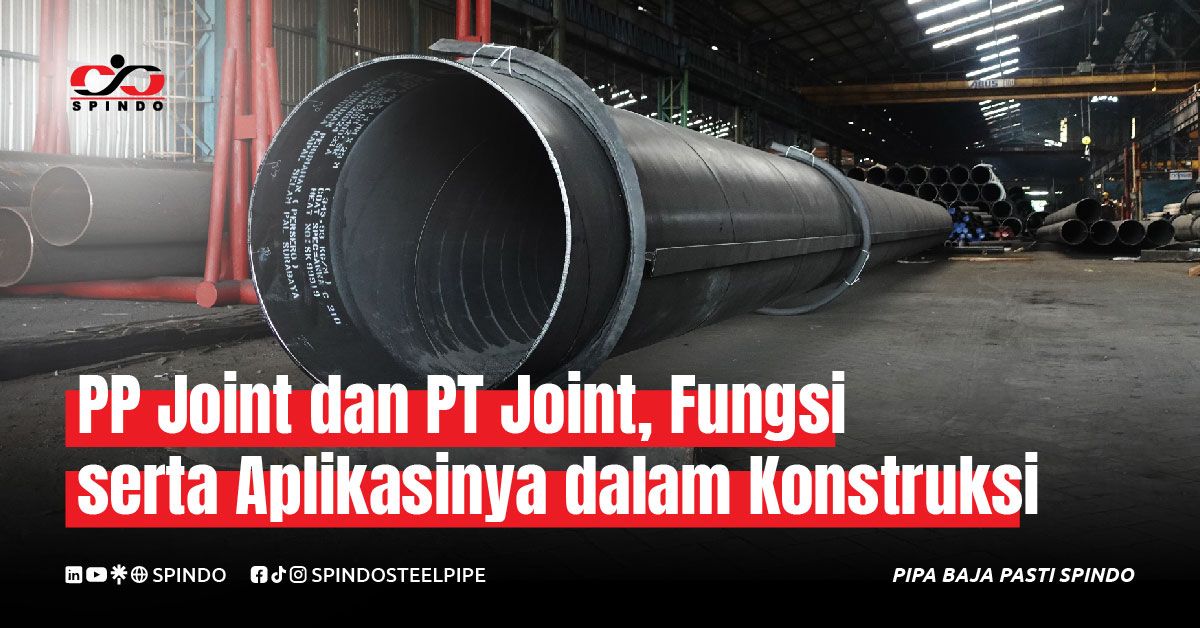
Fungsi PP Joint dan PT Joint pada pipa spiral, perbedaannya, cara kerja, serta aplikasinya dalam berbagai kebutuhan konstruksi dan infrastruktur bersama SPINDO
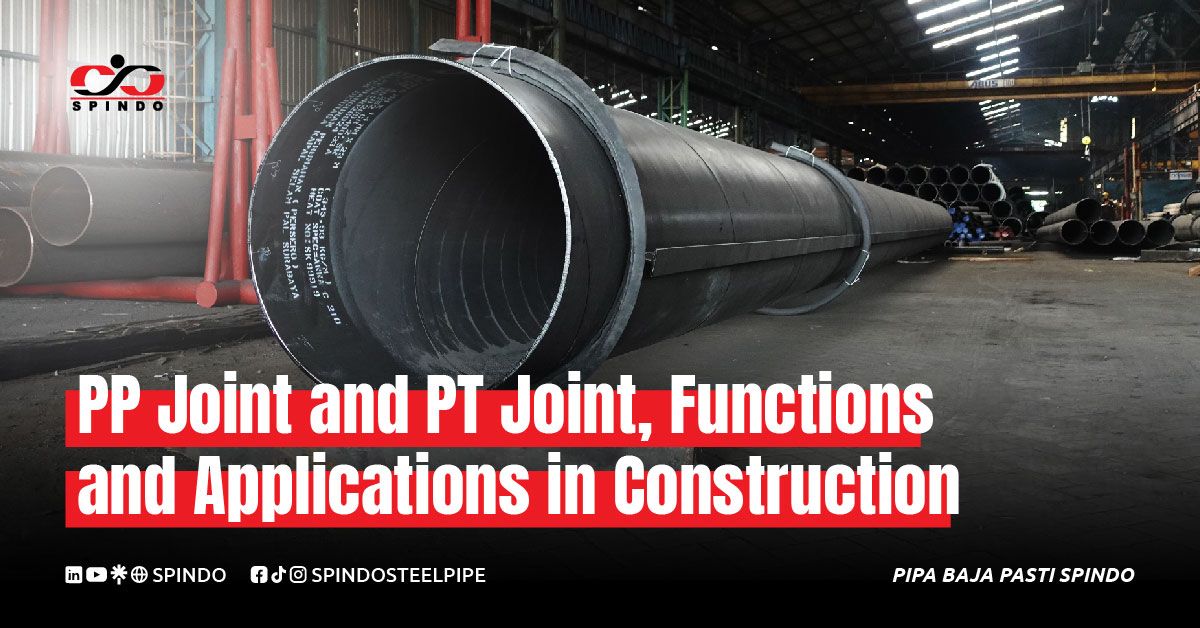
Learn the functions, differences, and construction applications of PP Joint and PT Joint as interlock systems for spiral steel pipes with SPINDO
Report on the Utilization of Proceeds from SPINDO’s Third Continuous Public Offering, Phase I, for the Year 2026, as of June 30, 2026
Laporan Realisasi Penggunaan Dana Hasil Penawaran Umum Berkelanjutan III SPINDO Tahap I Tahun 2026 per 30 Juni 2026
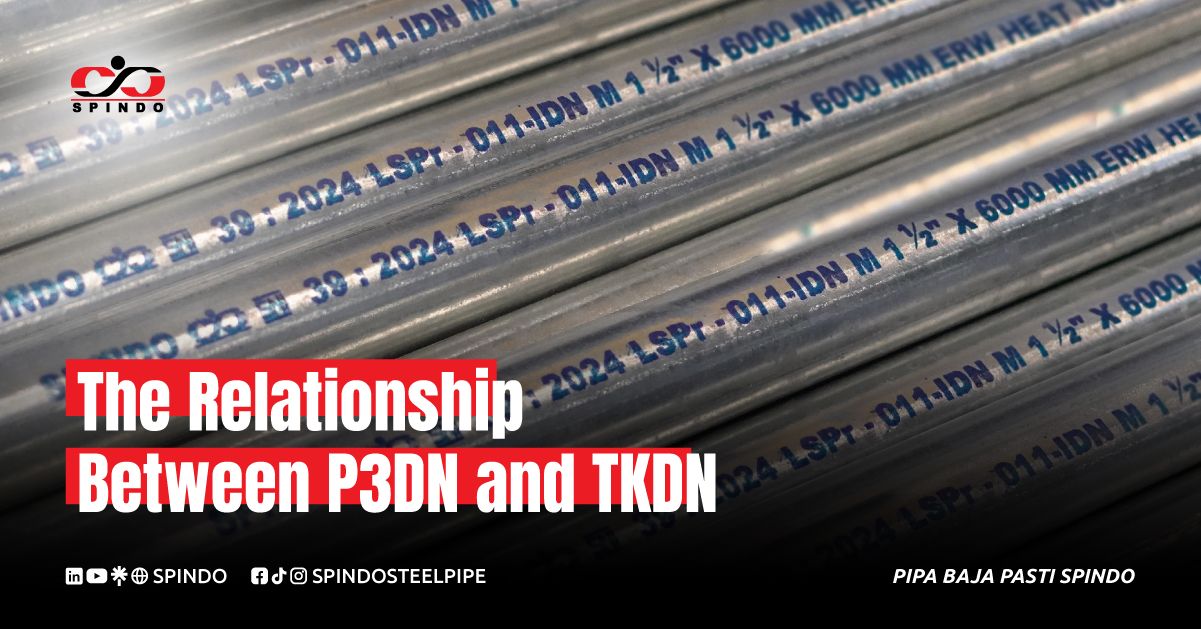
Understand P3DN, its objectives, benefits, and relationship with TKDN and BMP in supporting domestic products and strengthening Indonesia’s national industry.
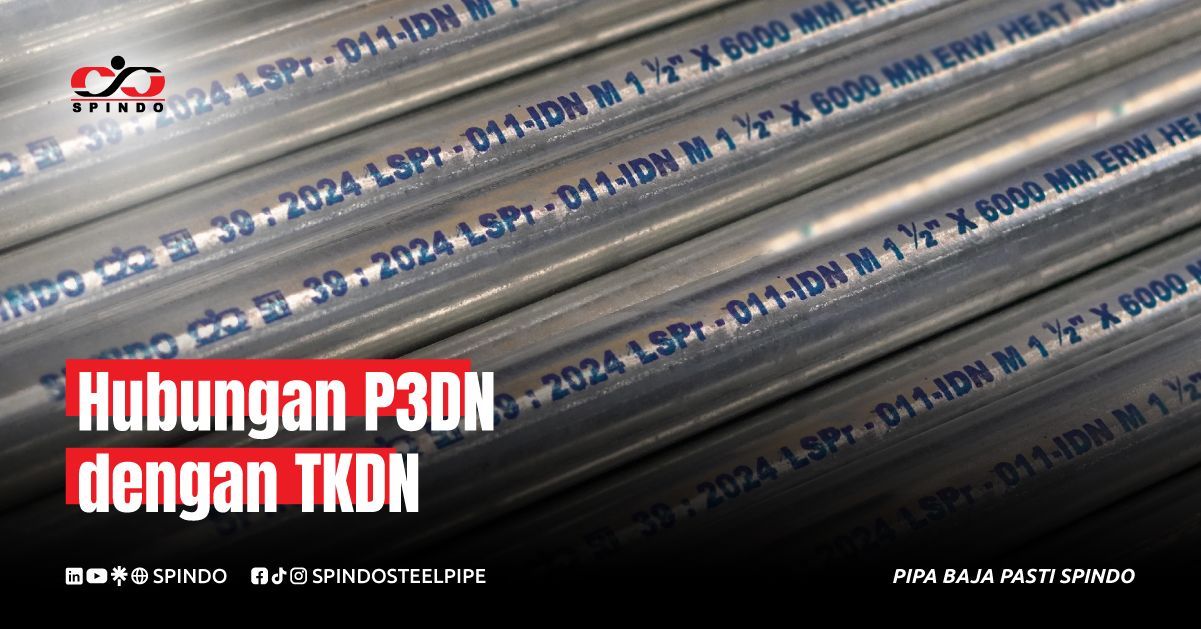
Pahami P3DN, tujuan, manfaat, serta hubungannya dengan TKDN dan BMP dalam mendukung penggunaan produk dalam negeri dan penguatan industri nasional di Indonesia.
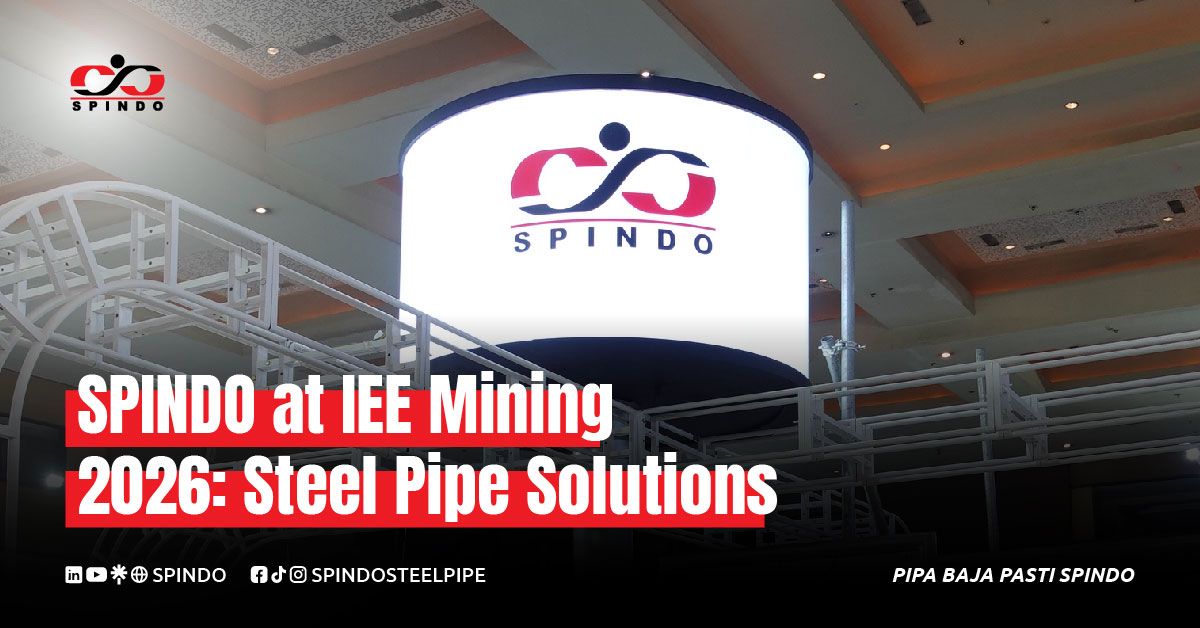
SPINDO joined IEE Mining 2026, showcasing steel pipe solutions for diverse industry needs through an interactive booth and engaging onsite visitor activities.
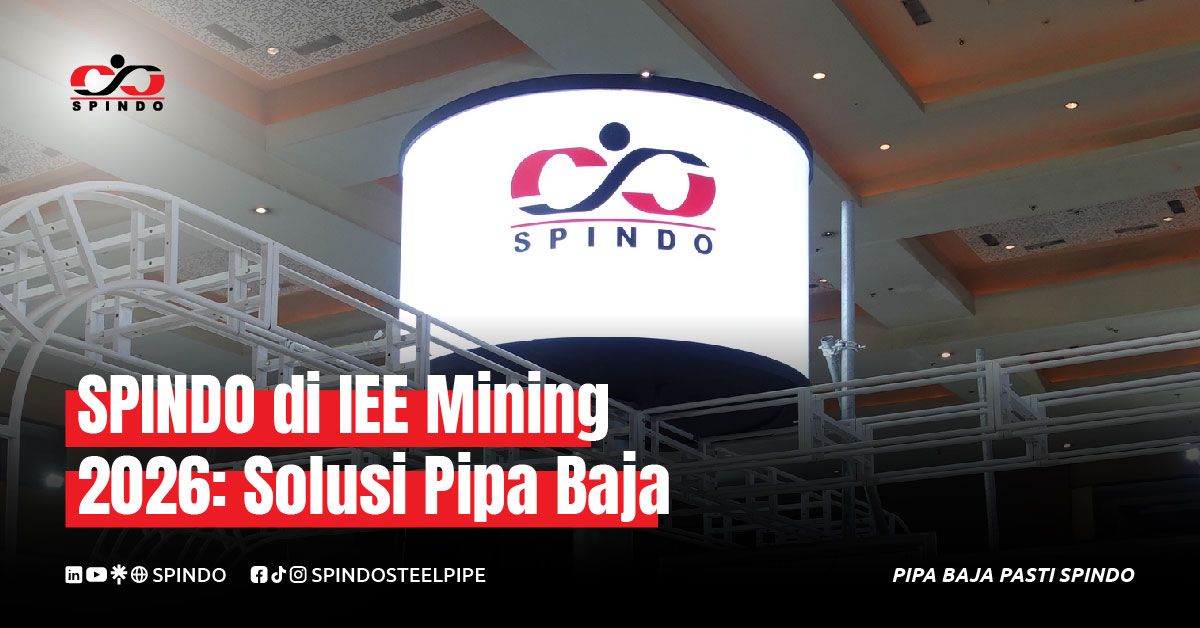
SPINDO hadir di IEE Mining 2026 dengan solusi pipa baja untuk berbagai kebutuhan industri, dilengkapi booth interaktif dan aktivitas pengunjung yang menarik.