Common Tools Used to Measure Pipes and Their Functions
In construction, manufacturing, infrastructure, and piping projects, pipe measurement is an important step to ensure that the material used meets the required technical specifications. Pipes are not only evaluated based on their material type, but also by their dimensions, such as outside diameter, wall thickness, length, and side dimensions for square or rectangular hollow sections.
Accurate pipe measurement supports material selection, quality inspection, fabrication, and installation in the field. Therefore,
using the right measuring tools is essential to obtain reliable results that can be used as a reference throughout the project.
As a national steel pipe manufacturer,
PT STEEL PIPE INDUSTRY OF INDONESIA Tbk (SPINDO) provides a wide range of steel pipe
products for construction, infrastructure, manufacturing, water distribution, oil and gas, and structural applications.
One of the key strengths of SPINDO pipes is dimensional consistency.
When measured using the proper tools, the actual pipe dimensions can be verified against the specifications and marking printed on the pipe.
Pipe marking serves as an important reference
for costumers, contractors, distributors, and industrial users to identify product information. With consistent dimensions, material checking in the field becomes easier, more accurate, and more reliable.
In general, there are several commonly used tools for measuring pipes. Each tool has a different function depending on which part of the pipe needs to be measured.
- Digital Caliper
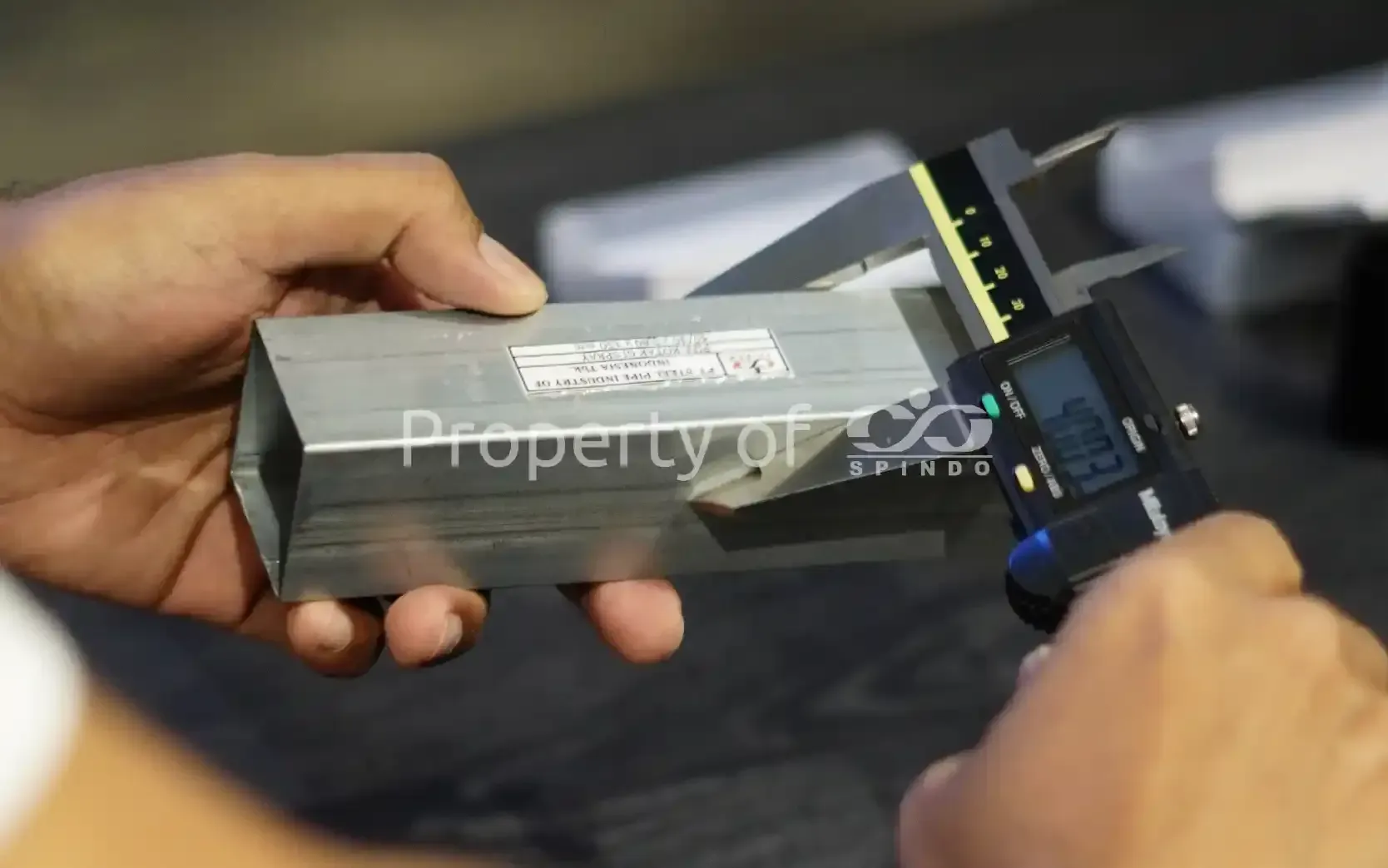
A digital caliper is one of the most commonly used tools for measuring the outside diameter, inside diameter, and side dimensions of squares of rectangular pipes. This tool is widely used because it is practical, reasonably precise, and suitable for various measurement needs.
For
round pipes, a digital caliper is used to measure the outside diameter.
The internal jaws of the caliper can also be used to measure the inside diameter. For
square pipes or hollow sections, the caliper can measure the length and width of each side.
One of the advantages of a caliper is that the measurement result can be read directly on its digital display.
This helps reduce the risk of misreading the scale, especially when measurements are taken quickly in production areas, warehouses, workshops, or project sites.
For SPINDO pipes, a digital caliper can help customers check pipe dimensions and compare them with the marking printed on the product. This gives customers greater confidence that the pipe received matches the required specifications.
- Micrometer
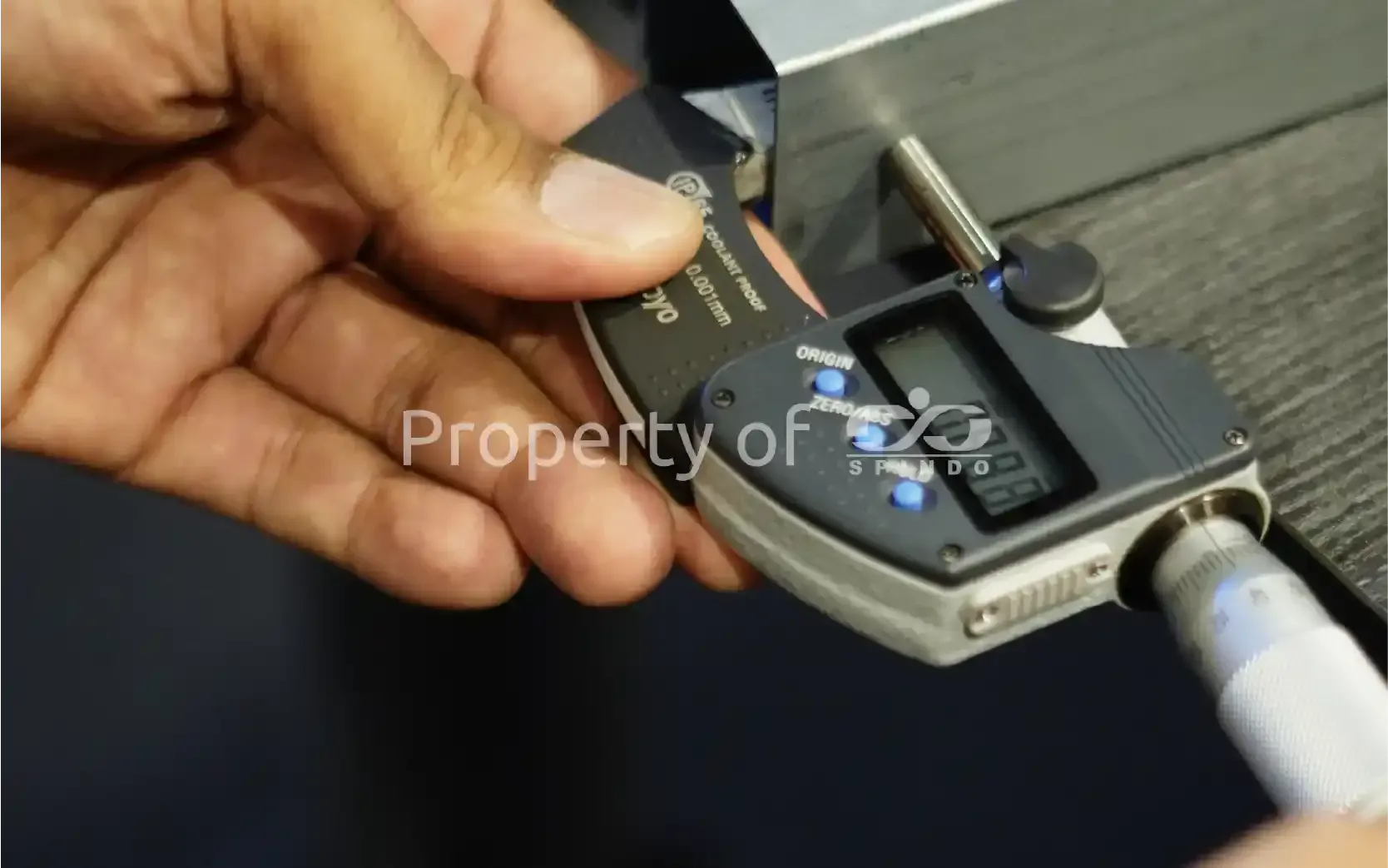
A micrometer is a precision measuring tool commonly used to measure pipe wall thickness. Compared with a caliper, a micrometer generally offers a higher level of accuracy, making it suitable for inspections that require more precise measurements.
In pipe measurement,
a micrometer is usually used at the end of the pipe to check the wall thickness.
Wall thickness is an important dimension because it relates to the pipe’s strength, function, and suitability for specific technical requirements.
For SPINDO steel pipe products, thickness inspection using a micrometer helps verify that the pipe wall thickness corresponds with the specification information shown on the product marking. This consistency is one of the key factors that supports product quality and customer trust in SPINDO pipes.
- Measuring Tape
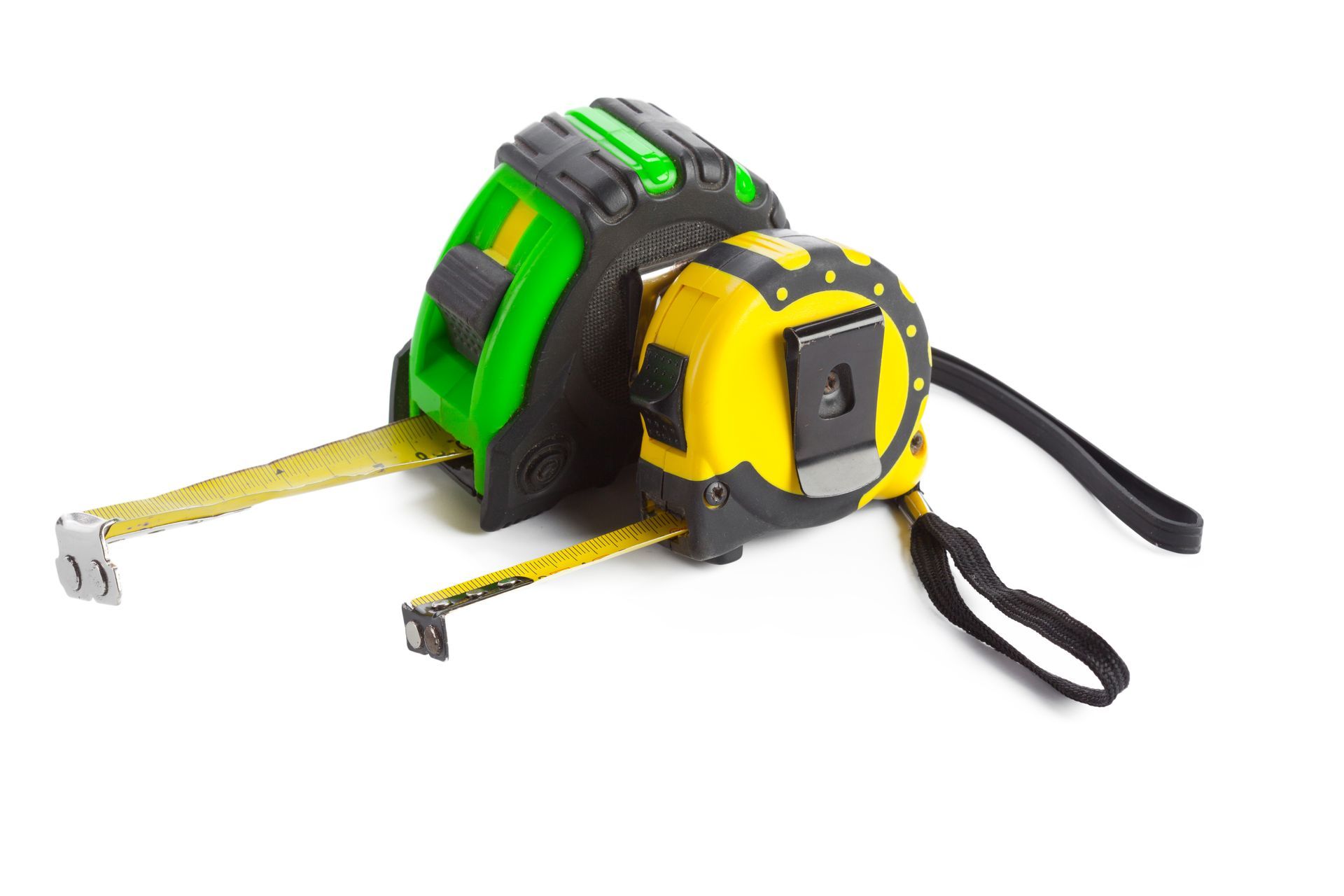
A measuring tape is the most common tool used to measure pipe length. It is simple, easy to carry, and very practical for use in the field or workshop.
In construction and fabrication work, pipe length needs to be checked before the material is cut, installed, shipped, or stored. Measuring tape is also often used to assist with marking cutting points on the pipe.
To obtain more accurate results, the measuring tape should be pulled straight from one end to the pipe to the other. If the tape is curved or not aligned with the pipe, the measurement result may differ from the actual length.
For SPINDO pipes, length measurement helps ensure that the material matches project requirements. With clear dimensions and informative marking, customers can identify and verify the product more easily before use.
- Pipe Diameter Tape
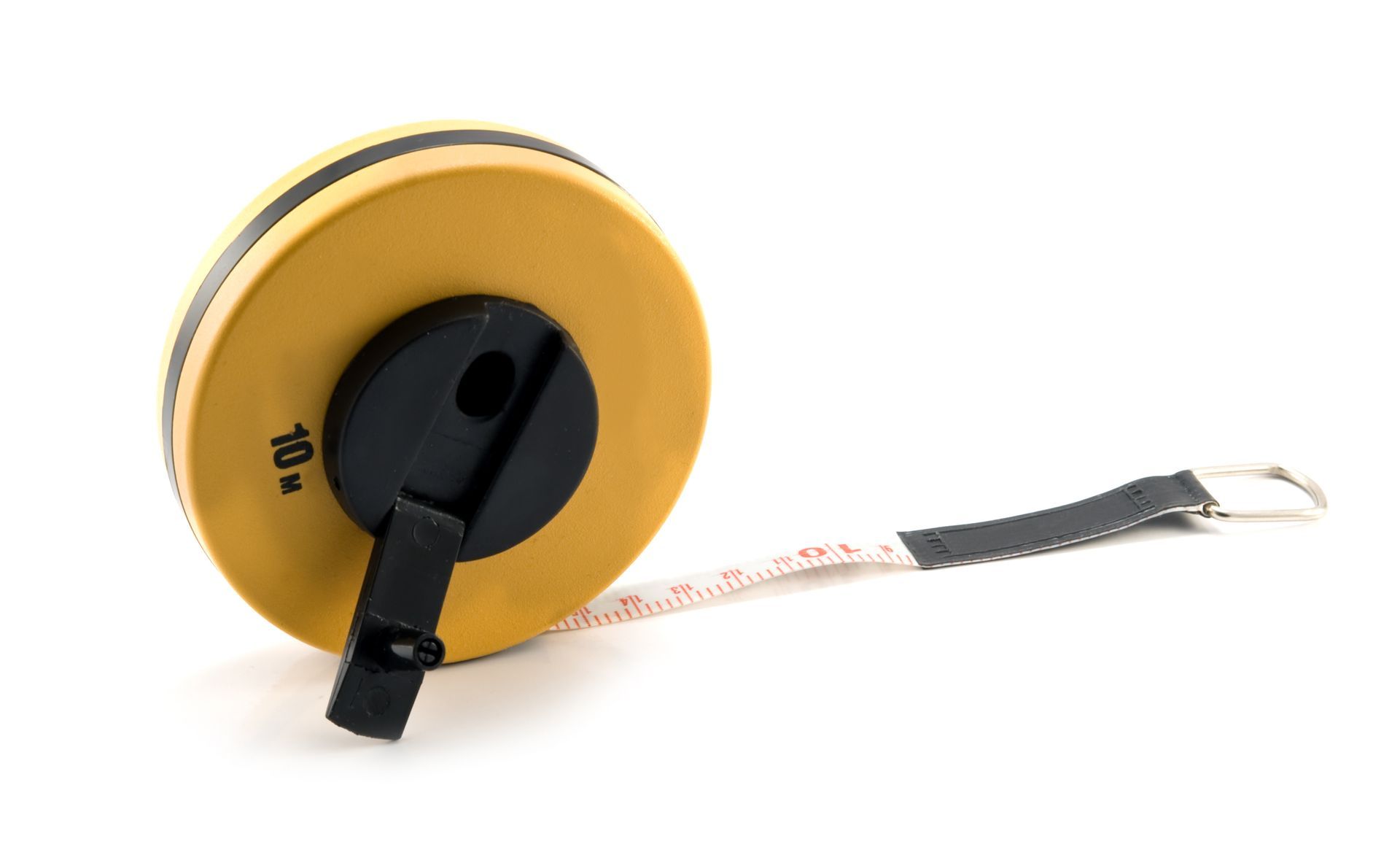
A pipe diameter tape is a special measuring tape used to measure pipe diameter, especially for large-diameter pipes. This tool works by wrapping around the outer surface of the pipe.
For large pipes, using a caliper may not be practical. In this case, a pipe diameter tape is easier to use because it only needs to be wrapped around the pipe’s outer surface.
For large-size SPINDO pipes, a pipe diameter tape can support practical dimension verification in the field. The measurement result can then be compared with the marking on the pipe to confirm product dimensional conformity.
- Ultrasonic Thickness Gauge
An ultrasonic thickness gauge is a tool used to measure pipe thickness using ultrasonic waves. It is commonly used when pipe thickness needs to be inspected without cutting or damaging the material.
This tool is especially useful for pipes that are already installed, pipes that are operating within a system, or pipes that need to be checked for possible wall thinning caused by corrosion. With this tool, pipe thickness can be measured from the outer surface using a special probe.
For pipe installation maintenance, an ultrasonic thickness gauge helps monitor pipe condition over time without damaging the material. When used on high-quality steel pipes such as SPINDO pipes, periodic inspection with the right tool can help maintain the long-term reliability of the piping system.
Why Pipe Marking Conformity Matters
Pipe marking functions as the product’s identity. Through marking, users can identify important information such as size, type, standard, or pipe specification. This information is highly useful during material receiving, storage, distribution, and installation in the field.
However, marking alone is not enough if it is not supported by dimensional consistency.
A good pipe should not only have clear marking, but
also actual dimensions that correspond with the information shown on the product.
This is where SPINDO’s strength becomes important. With a controlled production process and maintained quality control,
SPINDO helps customers obtain steel pipes with verifiable dimensions.
When measured using the proper tools, SPINDO pipe dimensions can be checked against the marking printed on the product.
Tips for More Accurate Pipe Measurement
To achieve more accurate pipe measurement results, make sure to follow these key points:
- Make sure the pipe surface is free of dirt, rust, oil, or other substances that could affect the measurement results.
- Use the tool according to its intended function.
- Take measurements at several points.
- Make sure the tools is not tilted. The measuring tools must be positioned correctly against the pipe surface.
- Use a measuring instrument that is in good condition, undamaged, not worn out, and ready for use.
Conclusion
The most commonly used pipe measuring tools include digital calipers, micrometers, measuring tapes, pipe diameter tapes, and ultrasonic thickness gauges. These five tools cover the main pipe measurement needs, including diameter, wall thickness, length, large-diameter pipe measurement, and inspection of installed pipes.
By understanding the function of each tool, pipe measurement can be carried out more accurately, efficiently, and according to project requirements. Proper measurement helps ensure that the material used meets the required specifications supports the fabrication process, and improves work efficiency in the field.
As a trusted steel pipe manufacturer in Indonesia, SPINDO provides steel pipes with clear marking and verifiable dimensions. When measured using the right tools, SPINDO pipes can demonstrate conformity between actual dimensions and the specification printed on the product. This reflects SPINDO’s commitment to delivering quality steel pipes for construction, infrastructure, manufacturing, water distribution, oil and gas, and structural applications.