
TKDN vs. BMP: Which Is More Important in Procurement
Under Indonesia’s Increasing Use of Domestic Products (P3DN) policy, the terms TKDN and BMP are often considered as part of the procurement process for goods and services.
Although TKDN and BMP are frequently mentioned together, they serve different purposes. TKDN measures the level of domestic content in a product or service, while BMP reflects a company’s contribution and benefits to the development of Indonesia’s domestic industry.
Understanding the difference between TKDN and BMP is important for businesses, contractors, consultants, and project owners when selecting products that meet technical requirements while supporting Indonesia’s domestic product utilization policy.
What Is TKDN?
TKDN, or Tingkat Komponen Dalam Negeri (Domestic Component Level), is a percentage that indicates the proportion of domestic components contained in goods, services, or a combination of goods and services.
The TKDN value can serve as an important indicator of how much domestic content and resources are incorporated into a product or service.
In general, a higher TKDN value indicates a greater proportion of domestic components recognized in the product or service.
In procurement, TKDN information helps project owners and buyers assess the extent to which a product supports the use of domestic components and Indonesia’s industrial capabilities.
What Is BMP?
BMP, or Bobot Manfaat Perusahaan (Company Benefit Weight), is a value associated with a company’s contribution or benefits toward the development of Indonesia’s domestic industry.
Unlike TKDN, which relates to the domestic content of specific goods or services, BMP focuses more on the company itself. Therefore, a BMP value should not be interpreted as physically increasing the domestic content of a product.
In simple terms:
- TKDN focuses on the goods or services being assessed.
- BMP focuses on the company’s contribution to domestic industry.
What Is the Difference Between TKDN and BMP?
The following table provides a simple comparison of TKDN and BMP:
| Aspect | TKDN | BMP |
|---|---|---|
| Assessment focus | Goods, services, or a combination of goods and services | Company |
| What is assessed | Domestic content | Company benefits or contributions |
| Main function | Indicates the level of domestic components | Provides a company benefit weighting |
| Role in procurement | Serves as one consideration in implementing domestic product utilization policies | May provide additional value in certain procurement calculations |
| Nature of the value | Related to the goods or services being assessed | Related to the company |
Therefore, TKDN and BMP are not interchangeable. They measure different aspects within Indonesia’s P3DN framework.
Which Is More Important: TKDN or BMP?
When selecting products for a project, TKDN generally receives greater attention because it directly indicates the domestic content of the goods or services being used. However, this does not mean that BMP is unimportant.
Under certain procurement mechanisms, the BMP value may be considered together with TKDN to support the prioritization of domestic products.
For this reason, the question of whether TKDN or BMP is more important should not be viewed simply as a comparison between two numbers. They serve different functions. TKDN indicates the domestic content of a product or service, while BMP provides additional information about a company’s contribution to national industrial development.
Understanding both values enables project owners, contractors, consultants, and procurement teams to evaluate products more comprehensively according to the applicable procurement requirements.
What Is the Role of TKDN and BMP in Steel Pipe Procurement?
In construction, infrastructure, energy, manufacturing, and other industrial projects, selecting steel pipes with TKDN certification can play an important role in meeting project requirements while supporting Indonesia’s domestic product utilization policy.
TKDN information helps project owners, contractors, and consultants understand the level of domestic content in the steel pipe products they intend to use.
BMP information, meanwhile, may serve as part of a company’s supporting documentation within the implementation of the P3DN policy.
For projects with domestic product requirements, valid TKDN documentation can also help make the product verification and evaluation process more transparent.
TKDN-Certified Steel Pipe Products from SPINDO
As an Indonesian steel pipe manufacturer, PT Steel Pipe Industry of Indonesia Tbk (SPINDO) provides a wide range of steel pipe products for construction, infrastructure, industrial, energy, and other applications.
A number of SPINDO products are supported by TKDN certification according to the applicable product categories and requirements.
Information regarding SPINDO’s TKDN certificates can be verified through the official P3DN system of Indonesia’s Ministry of Industry. For specific project requirements, customers may also contact the SPINDO team to obtain relevant product information and supporting documentation.
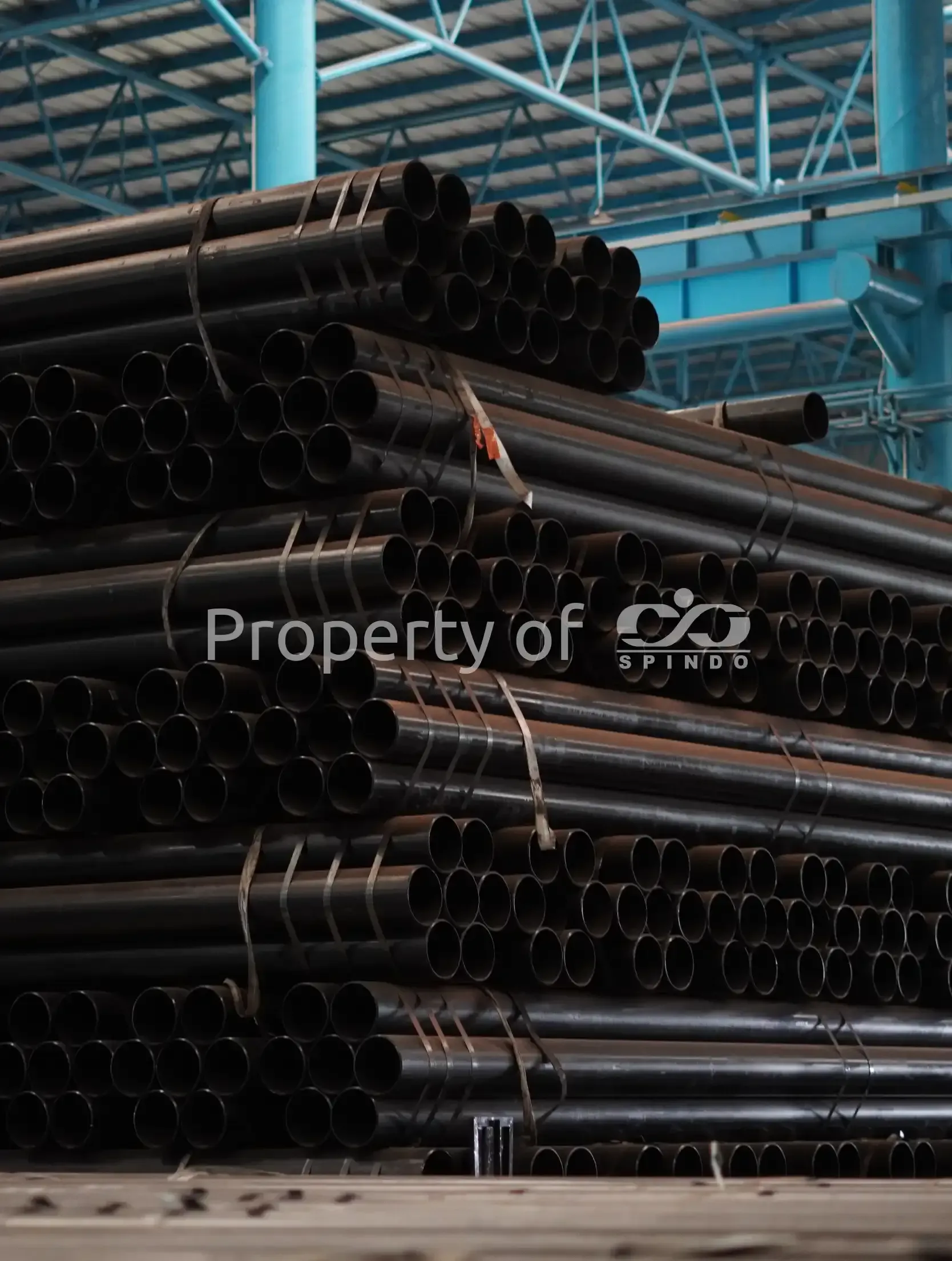
By selecting products with clear and verifiable TKDN information, project stakeholders can more easily align their material requirements with technical specifications and applicable procurement requirements.
Conclusion
TKDN indicates the level of domestic content in goods or services, while BMP relates to a company’s benefits or contribution to the development of Indonesia’s domestic industry.
In procurement, TKDN is an important indicator for assessing the domestic content of a product, while BMP may provide additional value within the implementation of P3DN policies, depending on the applicable procurement requirements.
Because TKDN and BMP serve different purposes, they should not be treated as competing measures. Instead, they can complement each other by providing a broader view of both the product’s domestic content and the company’s contribution to domestic industry.
For projects that require products with TKDN certification, always ensure that the applicable TKDN value and certificate have been verified through official sources.
Check the TKDN certification of SPINDO products through the official P3DN system of Indonesia’s Ministry of Industry, or contact the SPINDO team for product information and supporting project documentation.
Frequently Asked Questions About TKDN and BMP
What is the difference between TKDN and BMP?
TKDN measures the level of domestic content in goods or services, while BMP reflects a company’s contribution or benefits to the development of Indonesia’s domestic industry.
Are TKDN and BMP the same?
No. They have different assessment objects and functions. TKDN relates to goods or services, while BMP relates to the company.
Can BMP replace TKDN?
No. BMP does not replace TKDN because the two values measure different aspects.
Which is more important, TKDN or BMP?
When assessing the domestic content of a product, TKDN is the primary indicator. BMP may provide additional supporting value depending on the applicable P3DN and procurement requirements.
Why can TKDN and BMP be considered together?
Under certain domestic product procurement mechanisms, TKDN and BMP may be considered together as part of the evaluation process. Procurement teams should always refer to the specific regulations and requirements applicable to each project.
Where can TKDN certificates be verified?
TKDN certification information can be verified through the official P3DN system of Indonesia’s Ministry of Industry using information such as the company name, product name, or relevant certificate details.