
What Is TKDN? Definition, Regulations, and Benefits for Indonesian Industry
TKDN (Tingkat Komponen Dalam Negeri), or Domestic Component Level, is an important indicator that supports the use of locally produced goods and services in Indonesia. The TKDN value helps governments, businesses, and procurement teams understand the percentage of domestic content in goods, services, or a combination of both.
In procurement, TKDN is one of the considerations used to select products that align with Indonesia's Domestic Product Utilization Enhancement (P3DN) policy. Its implementation also supports efforts to strengthen the country's manufacturing industry and domestic supply chains.
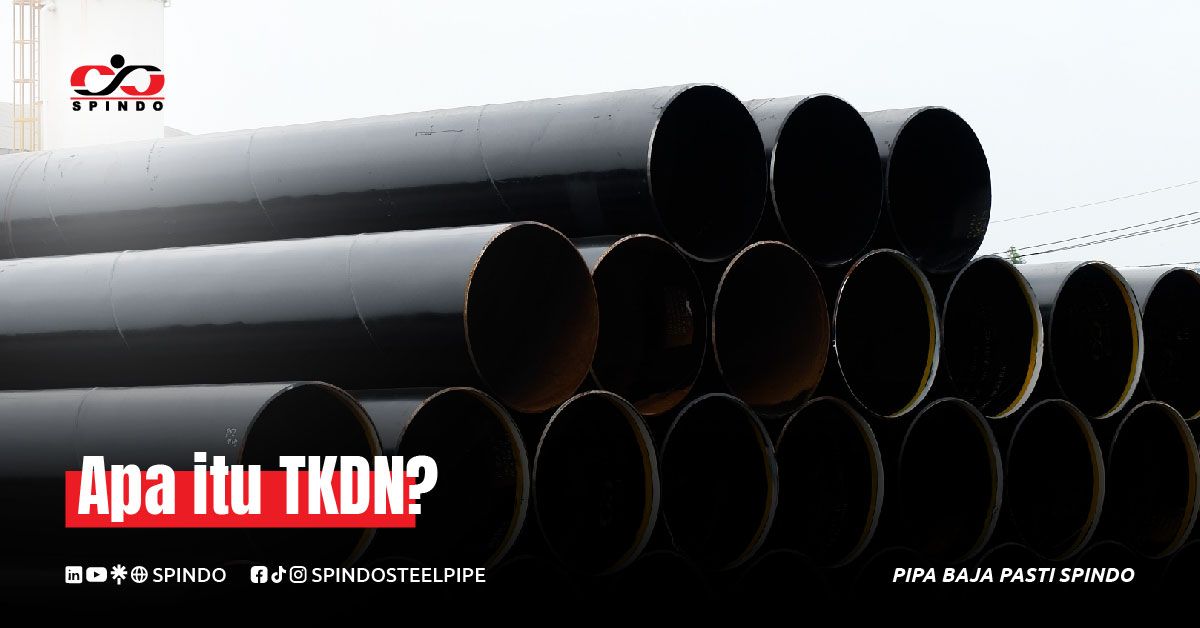
What Is TKDN?
TKDN stands for Tingkat Komponen Dalam Negeri (Domestic Component Level), a percentage that indicates the domestic content of goods, services, or a combination of goods and services.
This value reflects the contribution of domestic components based on the calculation methods established under applicable regulations.
For manufactured products, TKDN calculations may consider production cost components such as raw materials, labor, and other manufacturing expenses that qualify as domestic content.
Therefore, TKDN is not determined solely by where a company operates or where its products are sold. It also reflects the contribution of domestic resources and production activities included in the official calculation.
Why Is TKDN Important for Indonesian Industry?
TKDN is one of the instruments used by the Indonesian government to encourage the use of domestic products and strengthen the competitiveness of national industries.
Through this policy, products with domestic content may receive greater consideration in procurement processes that apply P3DN requirements.
For manufacturers, TKDN provides information about the contribution of domestic components to their products. For contractors, consultants, project owners, and procurement teams, it serves as one of the references when selecting materials that meet project requirements.
Beyond encouraging the use of domestic products, TKDN implementation is also expected to support local supply chain development, expand manufacturing activities, and increase the participation of Indonesian industries in various projects.
However, TKDN is not the only factor in product selection. Technical specifications, quality standards, pricing, and procurement requirements must also be considered.
Related Articles:
Why Should Contractors Choose TKDN Certified Steel Pipes?
How Is TKDN Related to the P3DN Policy?
TKDN is closely associated with Indonesia's P3DN (Peningkatan Penggunaan Produk Dalam Negeri) policy, which promotes the increased use of domestic products.
P3DN is a government initiative aimed at encouraging domestic product utilization, particularly in the procurement of goods and services by government institutions and other entities covered by applicable regulations.
Simply put, P3DN is the policy that promotes domestic products, while TKDN is an indicator used to measure their domestic content.
Together, they support the use of Indonesian products and the continued development of domestic industries.
What Are the Legal Regulations Governing TKDN in Indonesia?
TKDN implementation in Indonesia is supported by several regulations covering domestic product utilization, government procurement, and TKDN calculation and certification procedures.
One of the key regulations is Minister of Industry Regulation No. 35 of 2025 concerning the Provisions and Procedures for the Certification of Domestic Component Level and Company Benefit Weight.
This regulation covers TKDN calculation and verification, Company Benefit Weight (BMP) assessment, certification procedures, and regulatory supervision.
In addition, Presidential Instruction No. 2 of 2022 promotes the accelerated use of domestic products in government procurement.
TKDN requirements and domestic product preferences must also be considered alongside the procurement regulations applicable to each project.
Therefore, businesses and product users should refer to the latest regulations to ensure that their documentation and selected materials meet relevant procurement requirements.
How Is the TKDN Value Calculated?
TKDN is calculated based on the contribution of domestic components to goods, services, or a combination of goods and services, using methods established under applicable regulations.
For manufactured goods, the calculation may include several production cost components:
- Raw materials and production components, based on their origin and applicable domestic content criteria.
- Direct labor, according to the relevant calculation requirements.
- Other manufacturing costs, which may include facilities, equipment, and related production expenses as permitted under the regulations.
Meanwhile, TKDN calculations for services and combinations of goods and services follow separate methods based on the nature of the activities and components being assessed.
The calculation results are then used in the assessment and verification process under the applicable certification procedures.
As a result, a product's TKDN value cannot be determined solely by the location of its factory or the quantity of locally sourced raw materials. It must follow the official calculation methodology.
What Is the Purpose of a TKDN Certificate in Procurement?
A TKDN certificate is a document that states the domestic content value of a product based on the calculation and verification process established under applicable certification regulations.
In procurement, the certificate can serve as supporting documentation to assess whether a product meets domestic content requirements.
It is relevant to various stakeholders, including manufacturers, contractors, consultants, project owners, and procurement teams.
However, a TKDN certificate does not automatically replace technical documentation or product quality certifications. Users must still ensure that the selected products meet the required specifications, standards, and project requirements.
During verification, users should review the company's identity, product type and specifications, TKDN value, certificate number, validity period, and current certificate status.
Related Articles:
How to Read a TKDN Certificate: 7 Key Things to Check
What Is the Difference Between TKDN and BMP?
Under Indonesia's domestic product utilization policy, TKDN is often discussed alongside BMP (Bobot Manfaat Perusahaan), or Company Benefit Weight.
Although both may be considered in procurement evaluations, they serve different purposes.
TKDN indicates the percentage of domestic content in a product. BMP, on the other hand, represents a value assigned based on an assessment of certain aspects of a company's activities under applicable regulations.
In procurement, TKDN and BMP values may be considered together when determining compliance with domestic product requirements or procurement preferences.
However, BMP does not replace TKDN. Product users must consider the applicable requirements for each component when evaluating products for procurement.
Benefits of TKDN Implementation for Indonesian Industry
Beyond supporting procurement compliance, TKDN implementation offers several potential benefits for the development of Indonesian industry.
- Encouraging the Use of Domestic Products
TKDN helps users identify the domestic content of a product as one of the considerations in material selection.
This supports the implementation of the P3DN policy and creates opportunities for Indonesian products to be used across various industrial sectors.
- Strengthening Local Industrial Supply Chains
The increased use of domestic components can encourage greater participation from local raw material suppliers, service providers, and supporting industries.
As local supply chains develop, national manufacturing activities may also benefit from stronger demand for domestically produced components and services.
- Reducing Dependence on Imported Products
Using domestically produced goods and components can help reduce reliance on imports, particularly in sectors with sufficient local production capacity.
This approach also supports industrial resilience and the long-term development of Indonesia's domestic supply chains.
- Improving the Competitiveness of National Industries
TKDN policies can encourage manufacturers to improve production capabilities, strengthen relationships with local suppliers, and expand domestic industrial capacity.
However, increasing domestic content must be balanced with product quality, production efficiency, and the ability to meet market requirements.
- Supporting More Measurable Procurement Processes
For contractors, consultants, project owners, and procurement teams, TKDN information provides a reference for identifying and verifying domestic content in products.
With appropriate documentation, material selection can be conducted more systematically based on technical requirements and applicable procurement criteria.
Example of TKDN Implementation in Industrial Procurement
Consider an infrastructure project that requires steel pipes meeting specific technical standards while also supporting domestic product utilization requirements.
During procurement, contractors or procurement teams need to evaluate several aspects, including pipe type and dimensions, material standards, suitability for the intended application, and the product's TKDN value.
If the project specifies particular TKDN requirements, the value stated in the certificate must be compared with the applicable procurement criteria.
This verification is important because products manufactured by the same company do not necessarily have identical TKDN values. Different products may involve different components, production processes, and certification scopes.
Through this approach, material selection considers both domestic content and technical suitability for the project.
The Relevance of TKDN to SPINDO Steel Pipe Products
In the steel pipe industry, TKDN is an important consideration, particularly for construction, infrastructure, energy, utility, and procurement projects that require domestic products.
As an Indonesian steel pipe manufacturer, PT STEEL PIPE INDUSTRY OF INDONESIA Tbk (SPINDO) offers steel pipe products supported by TKDN certification within the scope of the products certified.
This information can serve as one of the considerations for contractors, consultants, project owners, and procurement teams when selecting steel pipe materials that meet project requirements.
In addition to reviewing TKDN values, users should ensure that the selected products comply with the relevant technical standards and application requirements.
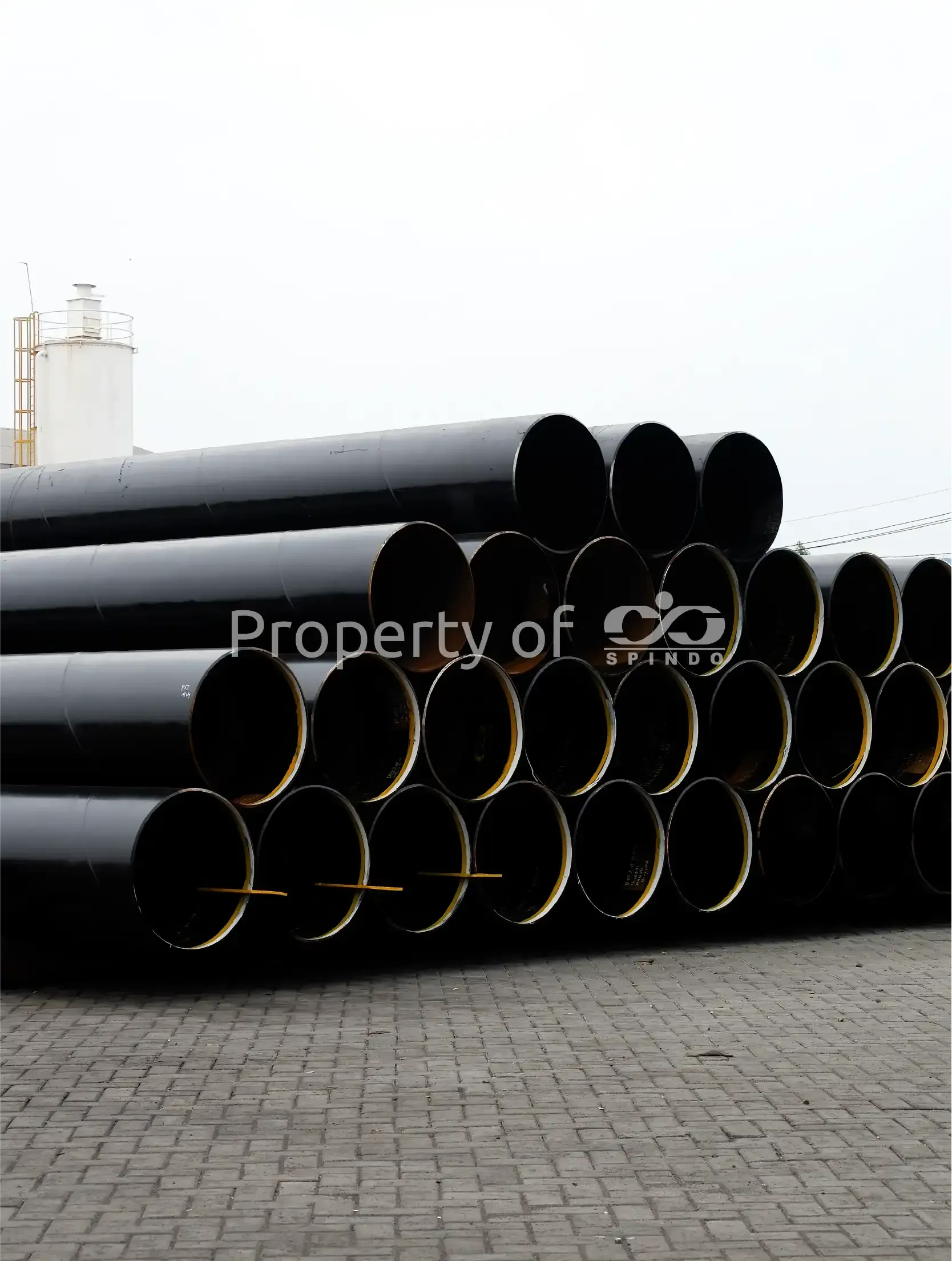
To obtain information about TKDN values for SPINDO steel pipe products, users can check the official P3DN website of Indonesia's Ministry of Industry or contact the SPINDO team for relevant product information and supporting documentation.
Conclusion
TKDN, or Domestic Component Level, is an indicator that measures the percentage of domestic content in goods, services, or a combination of both.
Through Indonesia's P3DN policy, TKDN plays a role in encouraging the use of domestic products, strengthening national supply chains, and supporting procurement decisions.
However, TKDN values must still be considered alongside technical specifications, quality standards, and applicable regulations to ensure that selected products meet project requirements.
For projects that require domestic content in steel pipe materials, SPINDO offers a range of products within their respective certification scopes and technical specifications.
Check the TKDN information for SPINDO steel pipe products through the official P3DN website of Indonesia's Ministry of Industry, or contact the SPINDO team for product information and supporting documentation relevant to your project.
Frequently Asked Questions (FAQ)
What is TKDN in Indonesia?
TKDN stands for Tingkat Komponen Dalam Negeri, or Domestic Component Level. It is a percentage indicating the domestic content of goods, services, or a combination of both, calculated according to applicable regulations.
What is the purpose of TKDN in procurement?
TKDN serves as an indicator of domestic content. In procurement processes that apply P3DN requirements, the TKDN value may be used to assess compliance with domestic product utilization criteria.
What regulations govern TKDN in Indonesia?
TKDN is governed by various regulations relating to industrial development and domestic product utilization. One of the key regulations is Minister of Industry Regulation No. 35 of 2025, which covers TKDN and BMP certification procedures.
How are TKDN and P3DN related?
P3DN is the Indonesian government's policy to encourage domestic product utilization, while TKDN is an indicator used to measure the domestic content of products.
Are TKDN and BMP the same?
TKDN measures domestic content, while BMP assesses certain company-related benefits according to regulatory criteria. They serve different purposes under Indonesia's domestic product utilization policy.
Do all products from the same company have identical TKDN values?
TKDN values may differ depending on product type, components, manufacturing processes, and certification scope.
Where can I check TKDN values for SPINDO products?
You can check TKDN information for SPINDO steel pipe products through the official P3DN website of Indonesia's Ministry of Industry by searching for the company name or relevant product category. You may also contact SPINDO for additional product certification information.