
Clean Energy in Production: SPINDO’s Step Toward More Sustainable Operations
The use of clean energy has become an important step for the manufacturing industry in building operations that are more efficient, responsible, and sustainable. As part of this commitment, SPINDO continues to strengthen the utilization of solar cells across its production units to support decarbonization efforts and reduce carbon emissions.
This initiative is not merely an environmental program, but also part of the company’s long term strategy to create a production process that is more adaptive to the needs of future industries.
Through the use of renewable energy, SPINDO seeks to create a balance between productivity, energy efficiency, and environmental responsibility.
SPINDO’s Real Step Toward More Sustainable Operations
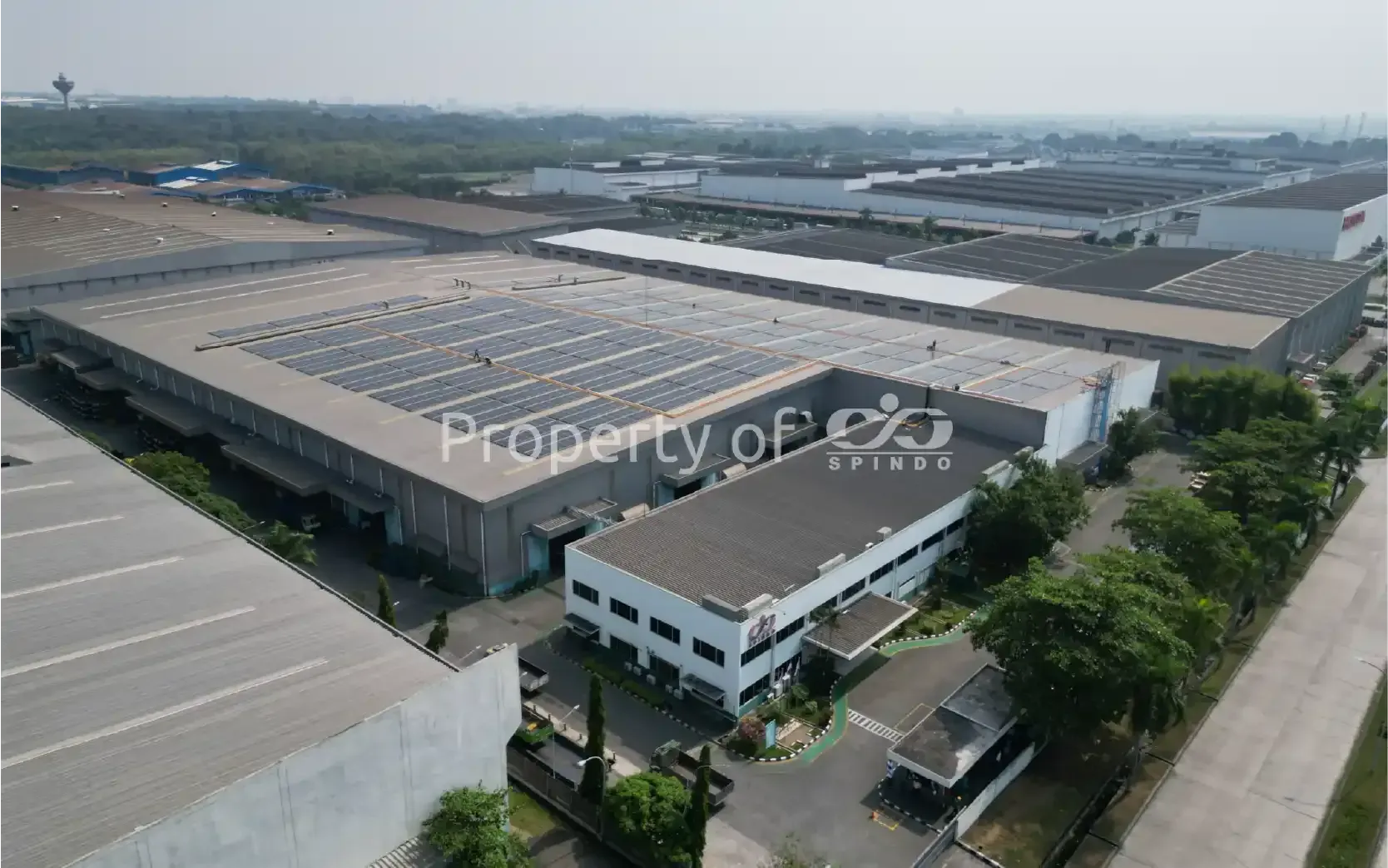
SPINDO has implemented solar cell technology as one of its clean energy sources
to support operational activities across various production units. This implementation reflects the company’s concrete contribution to reducing the carbon footprint generated by industrial activities.
By 2025,
the utilization of solar cells at SPINDO had contributed to a carbon emission reduction of 2,271.06 tons of CO2. This figure
shows that integrating clean energy into industrial operations can deliver a measurable impact on emission reduction.
Currently, SPINDO’s installed solar cell capacity has reached 4.12 MWp. With this capacity, the company continues to encourage the use of solar energy as part of a more environmentally friendly production system.
As of March 2026, SPINDO also recorded an estimated 986.16 tons of CO2 reduced, as part of its ongoing contribution to carbon emission reduction. This achievement demonstrates that the transformation toward clean energy can be carried out gradually, consistently, and measurably.
Solar Cell Expansion in 2026 at Plant 7 Gresik
As part of its effort to accelerate decarbonization targets,
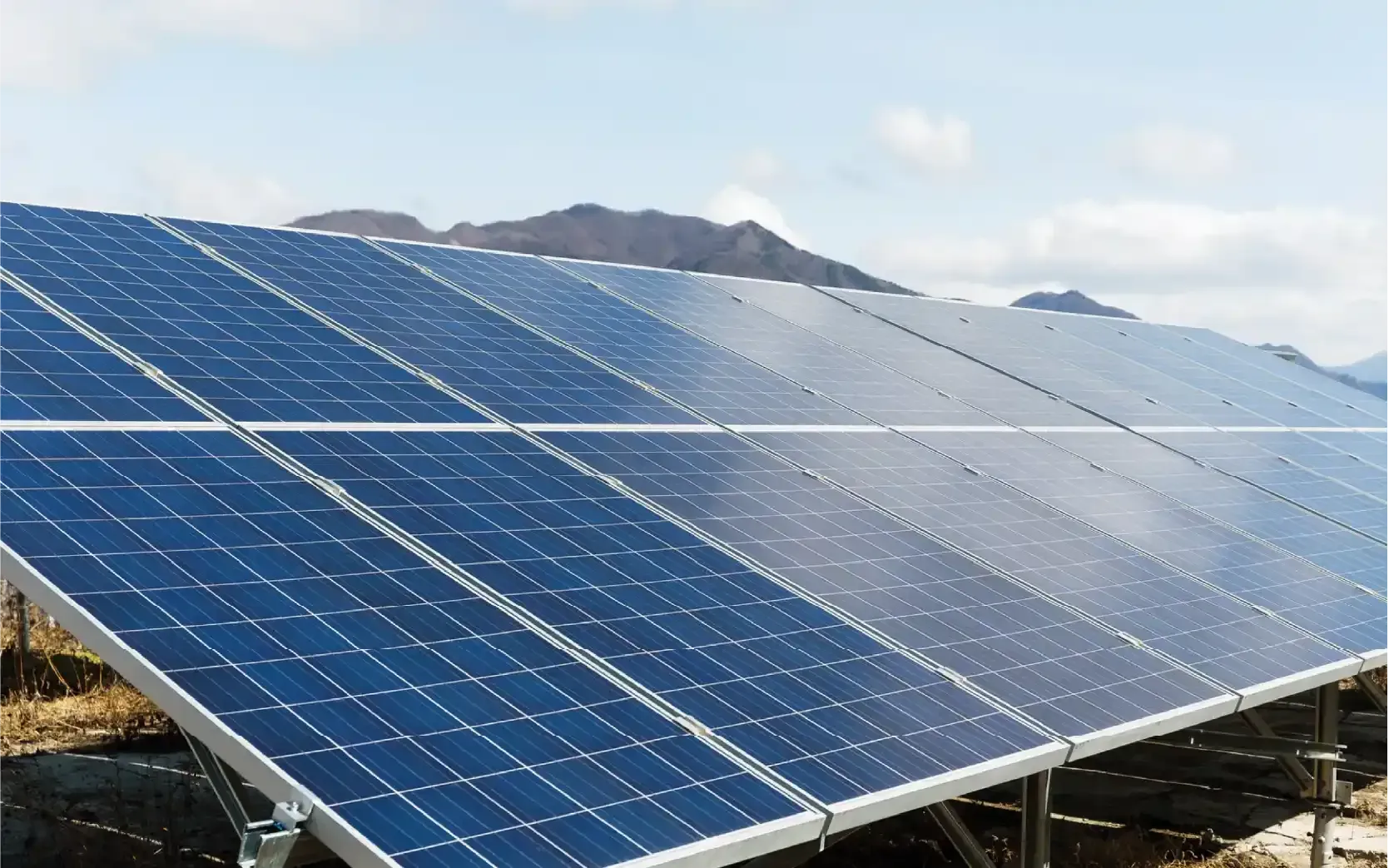
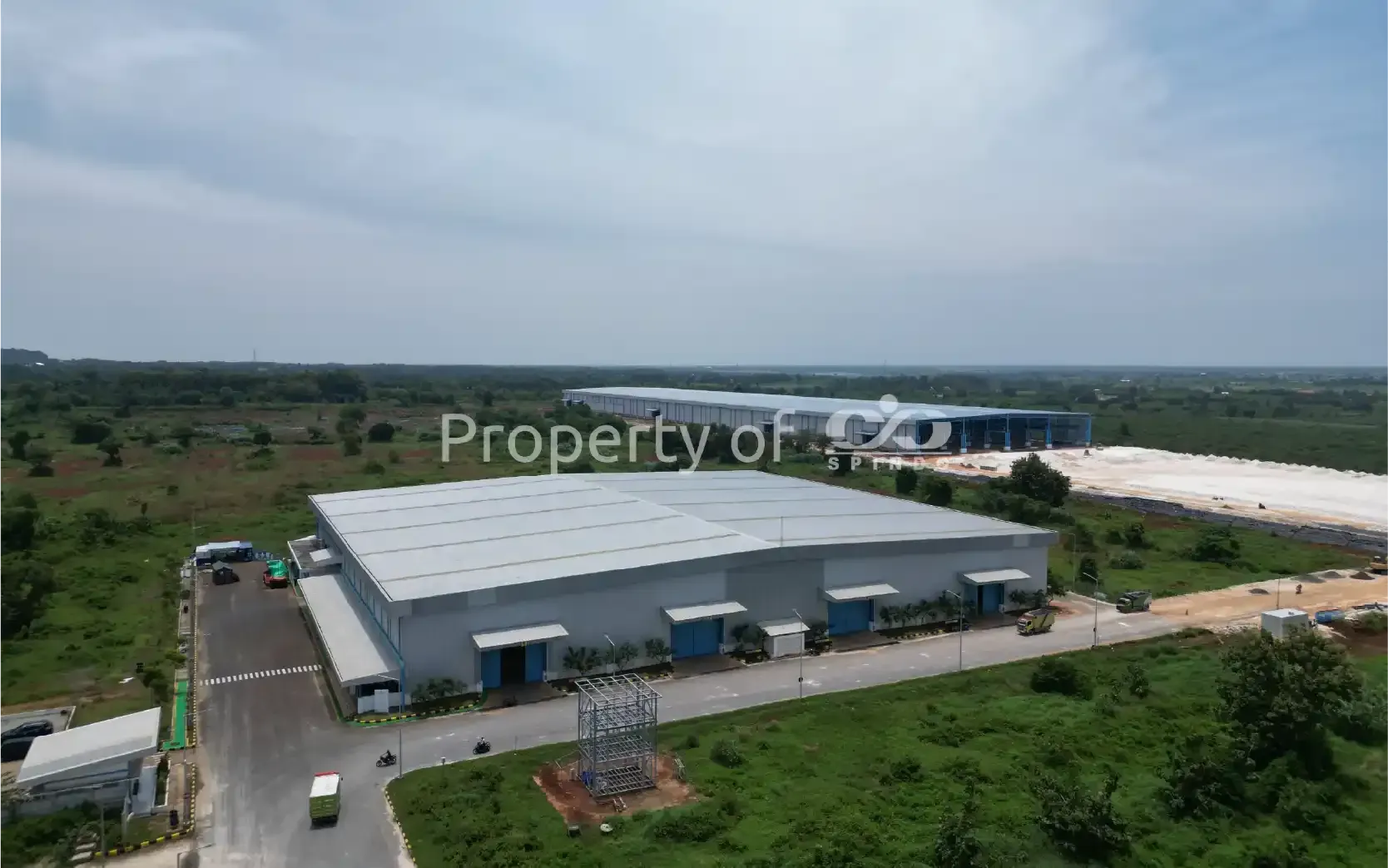
SPINDO plans to install solar cells at Plant 7 - Gresik in August 2026. This step plays an important role in expanding the use of clean energy across the company’s production facilities.
Through this expansion, SPINDO targets an additional solar cell capacity of +5.49 MWp. With this addition, the company’s total solar cell capacity is expected to reach 9.61 MWp by the end of 2026.
The expansion at Plant 7 Gresik is a strategic move, as production facilities typically require significant energy consumption. By utilizing solar cells, the company can support its operational needs while reducing dependence on conventional energy sources.
SPINDO’s Sustainability Projection and Commitment
SPINDO continues to strengthen its long-term strategy to integrate sustainability principles into its business operations. By the end of 2026,
the use of solar cells is projected to provide a potential carbon emission reduction of up to 9,631.5 tons of CO2e per year.
This commitment does not stop with the 2026 expansion. In 2027,
SPINDO also plans to develop solar cell capacity at Plant 5 Karawang, increasing its capacity from 1,030.08 kWp to 2,030.08 kWp.
By the end of 2027, SPINDO’s total solar cell capacity is projected to reach 10.61 MWp, with an estimated carbon emission reduction of 10,633.77 tons of CO2e. This projection shows a clear direction: SPINDO is not only implementing clean energy initiatives as a short-term program, but also as part of a long-term operational strategy.
Clean Energy for More Responsible Production
The use of clean energy in production is an important step for industries that aim to continue growing without overlooking sustainability. For SPINDO, solar cells are not only a supporting technology, but also part of the company’s commitment to building operations that are more responsible toward the environment.
With continuously increasing capacity, measurable emission reduction targets, and expansion plans across several production units, SPINDO shows that energy transformation in the industrial sector can be carried out in a general and gradual manner.
Moving forward, the success of this initiative will depend on consistent implementation, performance monitoring, and the company’s ability to integrate clean energy into its overall production system.
Through this steps, SPINDO strengthens its position as a manufacturing company that focuses not only on product quality, but also on the future of industrial operations that are more efficient, lower in emissions, and more sustainable.